Hate Speech Bill: Karnataka Law, Impact and Debate
Politics | Law | India
The Hate Speech Bill passed by the 0 has become one of the most debated legislative decisions in recent times. Within hours of its passage, the Hate Speech Bill triggered protests from opposition parties and sparked nationwide discussion on freedom of expression, legal boundaries, and state power. Therefore, it is important to clearly understand what the Hate Speech Bill is, why it was introduced, and how it may impact citizens.
What Is the Hate Speech Bill?
The Hate Speech Bill, officially named the Hate Speech and Hate Crimes (Prevention) Bill, is a state-level law passed by Karnataka with the stated objective of preventing speech and actions that promote hatred, discrimination, or violence against individuals or communities. Unlike earlier general provisions under the Indian Penal Code, this Hate Speech Bill introduces a more direct and structured legal framework.
Moreover, the Hate Speech Bill is being described as the first such state law in India that prescribes stringent punishment exclusively for hate speech-related offences. Supporters argue that the law fills existing legal gaps, while critics fear excessive control.
Key Provisions of the Hate Speech Bill
The Hate Speech Bill lays out specific penalties and enforcement mechanisms. Some of the most important provisions include:
- Imprisonment of up to seven years for serious hate speech offences
- Financial penalty of up to ₹1 lakh
- Coverage of both offline and online hate speech
- Applicability to social media platforms and digital communication
For example, if digital content is found to deliberately incite hatred or violence, authorities can initiate action under the Hate Speech Bill. Therefore, the scope of the law extends well beyond public speeches.
Why Did the Opposition Protest the Hate Speech Bill?
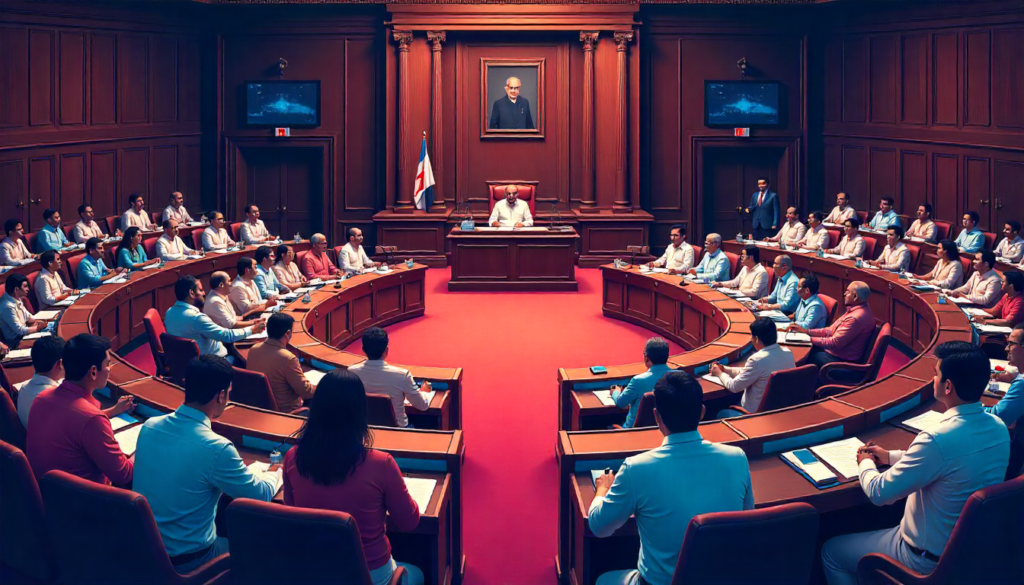
The passage of the Hate Speech Bill was accompanied by strong resistance from opposition legislators. Opposition leaders argued that the definitions within the Hate Speech Bill are broad and could be misused against political dissent or unpopular opinions. As a result, protests erupted inside the Assembly during the voting process.
However, the state government has maintained that the Hate Speech Bill is designed with safeguards and will be enforced responsibly. According to the government, the intention is not to silence voices but to prevent harm and violence.
Hate Speech Bill and Freedom of Speech
A major concern surrounding the Hate Speech Bill is its potential impact on freedom of speech. Article 19 of the Indian Constitution guarantees freedom of expression, subject to reasonable restrictions. The government argues that the Hate Speech Bill operates within these constitutional limits.
Critics, however, believe that interpretation will play a crucial role. Therefore, how authorities apply the Hate Speech Bill in real cases will determine its long-term acceptance.
Legal Perspective on the Hate Speech Bill
From a legal standpoint, the Hate Speech Bill attempts to create a preventive framework rather than relying solely on post-incident punishment. Legal experts note that hate speech cases often escalate into violence if not addressed early. Hence, the Hate Speech Bill aims to intervene before such escalation occurs.
According to publicly available legal analysis published by established legal platforms such as Live Law, state governments have the authority to legislate on public order matters. However, judicial scrutiny is expected if constitutional challenges arise.
National Implications of the Hate Speech Bill
The Hate Speech Bill may not remain limited to Karnataka. If implemented effectively, it could serve as a model for other states facing similar social challenges. Moreover, discussions around a central hate speech framework could gain momentum.
At the same time, civil society groups are likely to monitor how the Hate Speech Bill is enforced. Transparency and accountability will therefore be critical in shaping public trust.
Digital Media and the Hate Speech Bill
One of the most significant aspects of the Hate Speech Bill is its focus on digital platforms. Social media has increasingly become a medium for rapid spread of harmful content. Consequently, the Hate Speech Bill empowers authorities to address online hate more directly.
However, digital rights advocates warn that vague enforcement could affect legitimate online discourse. This balance between safety and expression remains one of the biggest challenges of the Hate Speech Bill.
Public Reaction and Debate
Public opinion on the Hate Speech Bill is sharply divided. Some citizens welcome the law as a necessary step to maintain harmony. Others fear that it may discourage open debate and criticism. Therefore, public discourse around the Hate Speech Bill continues to evolve.
For readers interested in related legal developments, you may also explore our analysis of recent state legislation trends.
Conclusion: What Lies Ahead for the Hate Speech Bill?
The Hate Speech Bill represents a significant legal and political development in Karnataka. Its objectives are rooted in preventing harm and promoting social stability. However, the success of the Hate Speech Bill will ultimately depend on fair interpretation, consistent enforcement, and judicial oversight.
As the law begins to take effect, its real-world impact will become clearer. Until then, the Hate Speech Bill remains a critical subject of national discussion.
Disclaimer: This article is published for informational and educational purposes only. It does not constitute legal advice. Readers should consult qualified professionals for legal interpretation.