Financial Struggle: 7 Harsh Reasons High Earners Stay Poor
Money Psychology | Personal Finance | Decision Making
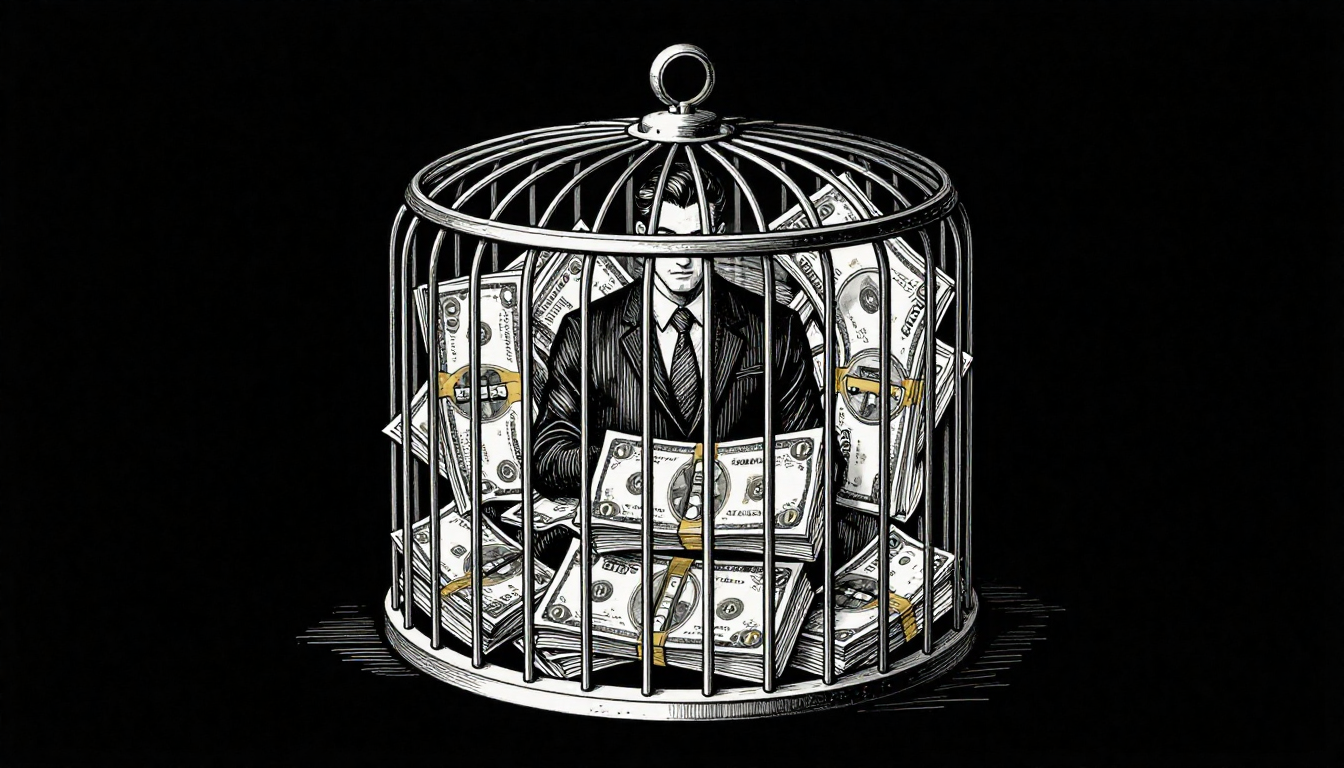
Financial struggle is commonly associated with low income. However, real-world data and lived experience show a different reality. Many people earning well above average still remain financially stressed, insecure, and trapped.
This article breaks the illusion. If income alone decided wealth, high earners would never worry about money. Yet financial struggle persists — silently and dangerously.
Table of Contents
- What Financial Struggle Really Means
- Income vs Financial Control
- 7 Harsh Reasons High Earners Stay Poor
- Why Lifestyle Inflation Is a Trap
- The Role of Decision-Making
- How to Exit Financial Struggle
What Financial Struggle Really Means
Financial struggle does not always mean lack of money. It means lack of control. It means earnings exist, but freedom does not.
When expenses, liabilities, and emotional decisions dictate your life, you are financially struggling — regardless of income level.
Income vs Financial Control
Income is active. Control is strategic.
High earners often confuse cash flow with stability. Without systems, income becomes a temporary relief, not a solution.
7 Harsh Reasons High Earners Stay Poor
1. Lifestyle Inflation Grows Faster Than Income
As income increases, expectations rise. Homes, cars, gadgets, and social status expand simultaneously. Financial struggle deepens quietly.
2. No Asset Ownership
Spending replaces ownership. Assets that generate cash flow are ignored, while consumption is celebrated.
3. Emotional Money Decisions
Purchases driven by ego, fear, or comparison destroy long-term stability.
4. Dependence on a Single Income Source
One salary means one point of failure. The illusion of security collapses instantly during disruption.
5. No Capital Allocation Strategy
Money is earned but not assigned a role. Without allocation, money disappears into lifestyle noise.
6. Ignoring Time as a Financial Asset
Time is traded entirely for money. No systems are built to earn independently of effort.
7. Confusing Appearances With Wealth
Looking rich is often prioritized over being financially secure. This mindset ensures permanent financial struggle.
Why Lifestyle Inflation Is a Trap
Lifestyle inflation locks income growth into permanent obligations. Every raise becomes a new liability. Freedom reduces as income increases.
This pattern explains why many high earners live paycheck to paycheck.
The Role of Decision-Making
Financial outcomes are not decided by income levels. They are decided by repeated decisions.
Small daily choices compound silently — for or against wealth.
How to Exit Financial Struggle
Exiting financial struggle requires structural change, not motivation.
- Build income-independent systems
- Convert surplus income into assets
- Limit lifestyle expansion
- Separate ego from money decisions
- Design money rules, not reactions
Wealth is not loud. Stability is not visible. Control is quiet.
Disclaimer: This article is for educational purposes only and does not constitute financial, legal, or investment advice.