
6 Brutal Reasons AI Adoption Is Dividing Tech Stocks in 2026
Explained • Technology • Markets
- Why Tech Stocks Are No Longer Moving Together
- Reason 1: Real AI Adoption vs Marketing AI
- Reason 2: Infrastructure Advantage
- Reason 3: Profit Visibility Matters
- Reason 4: Legacy Tech Drag
- Reason 5: Capital Allocation Discipline
- Reason 6: Market Expectations Reset
- Final Perspective
The technology sector is no longer a single trade.
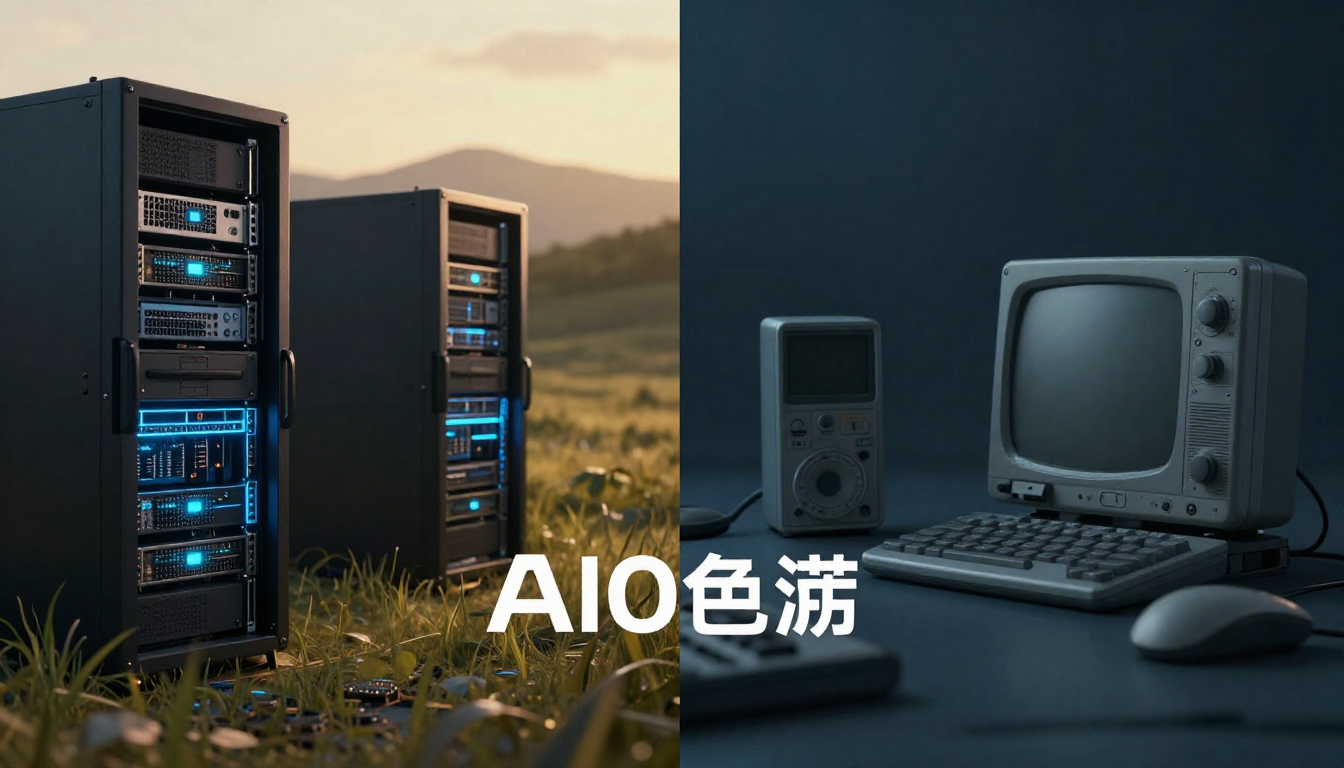
In 2026, AI adoption has become the defining line between companies that lead and companies that lag.
Markets are no longer rewarding potential. They are rewarding execution.
Why Tech Stocks Are No Longer Moving Together
In previous cycles, tech stocks moved as a group. Cheap money lifted most valuations at the same time.
That phase is over.
Today, capital is selective. Only firms that convert artificial intelligence into revenue and efficiency are seeing sustained interest.
Reason 1: Real AI Adoption vs Marketing AI
Not every company talking about AI is actually using it.
Markets now distinguish between:
- AI embedded in products and operations
- AI mentioned only in presentations
This gap explains why companies with similar headlines show very different stock performance.
Reason 2: Infrastructure Advantage
AI adoption requires infrastructure.
Compute power, data access, and specialized chips create barriers that many firms cannot cross quickly.
Companies already positioned in cloud, chips, and platforms benefit disproportionately from this shift.
Reason 3: Profit Visibility Matters
Investors are no longer impressed by long-term promises alone.
They want visibility:
- Cost reduction through automation
- Revenue growth from AI-enabled services
- Clear margins, not vague roadmaps
Firms unable to show measurable impact are being repriced downward.
Reason 4: Legacy Tech Drag
Many established tech companies carry legacy systems.
These systems slow down integration, increase costs, and reduce flexibility.
AI adoption is easier in modular, cloud-native environments. Older architectures struggle to adapt.
Reason 5: Capital Allocation Discipline
AI investment is expensive.
Markets are rewarding companies that allocate capital carefully instead of chasing hype.
Spending without strategic clarity now leads to punishment, not patience.
Reason 6: Market Expectations Reset
The first wave of AI enthusiasm lifted expectations sharply.
That phase has matured.
Today, expectations are grounded in delivery timelines, not narratives.
According to analysis summarized by Investopedia , valuation gaps widen when technology adoption becomes operational.
AI adoption is no longer a theme. It is a filter separating execution from ambition.
Final Perspective
The tech sector is entering a sorting phase.
Companies that turn AI into productivity and profit will continue to attract capital.
Those that rely on language rather than systems will fall behind.
In 2026, AI adoption is not about innovation. It is about survival within competitive markets.
Disclaimer: This content is for educational purposes only and does not constitute financial or investment advice.