
Cost of Living Anxiety 2026: Why People Feel Poorer Despite Stable Inflation
Explained
Table of Contents
Cost of living anxiety 2026 is rising across many countries even though official inflation figures appear stable.
For households, the numbers do not match daily experience.
Why Inflation Feels Higher Than It Is
Official inflation averages hide price pressure in essentials such as housing, food, healthcare, and education.
These costs form a larger share of household spending than discretionary items.
Income Growth Is Lagging Expenses
While wages have increased in some sectors, they have not kept pace with recurring costs.
This gap creates financial stress even when employment remains stable.
Lifestyle Costs Have Reset Higher
Rent, utilities, insurance, and transport costs have moved to a new baseline.
Once prices rise and stabilise, they rarely fall back.
Why Middle-Class Pressure Is Intensifying
The middle class absorbs the most pressure in the cost of living anxiety 2026 phase.
They often earn too much for assistance but too little to absorb persistent cost increases.
Psychological Impact Matters
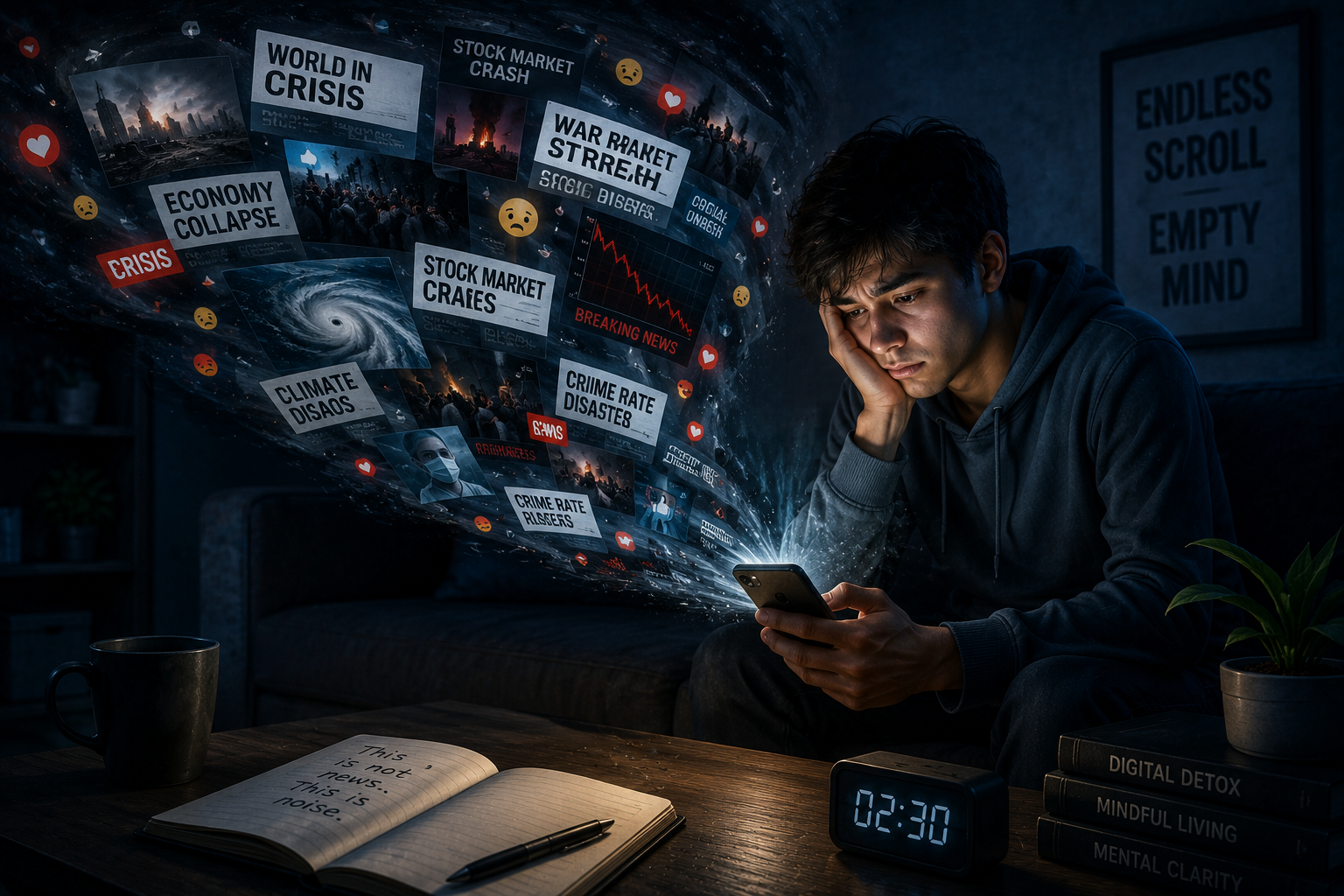
Financial anxiety is not only economic. Constant budgeting, uncertainty, and reduced savings affect confidence and spending behaviour.
This feeds back into slower economic growth.
Read more economic explainers in our Explained and Finance sections.
Global household cost trends are analysed by the OECD.
Stable inflation does not mean stable living costs.
Final Thought
Cost of living anxiety 2026 explains why public frustration remains high despite calmer economic headlines.
Daily expenses shape reality more than statistics.
Disclaimer: Educational only.