
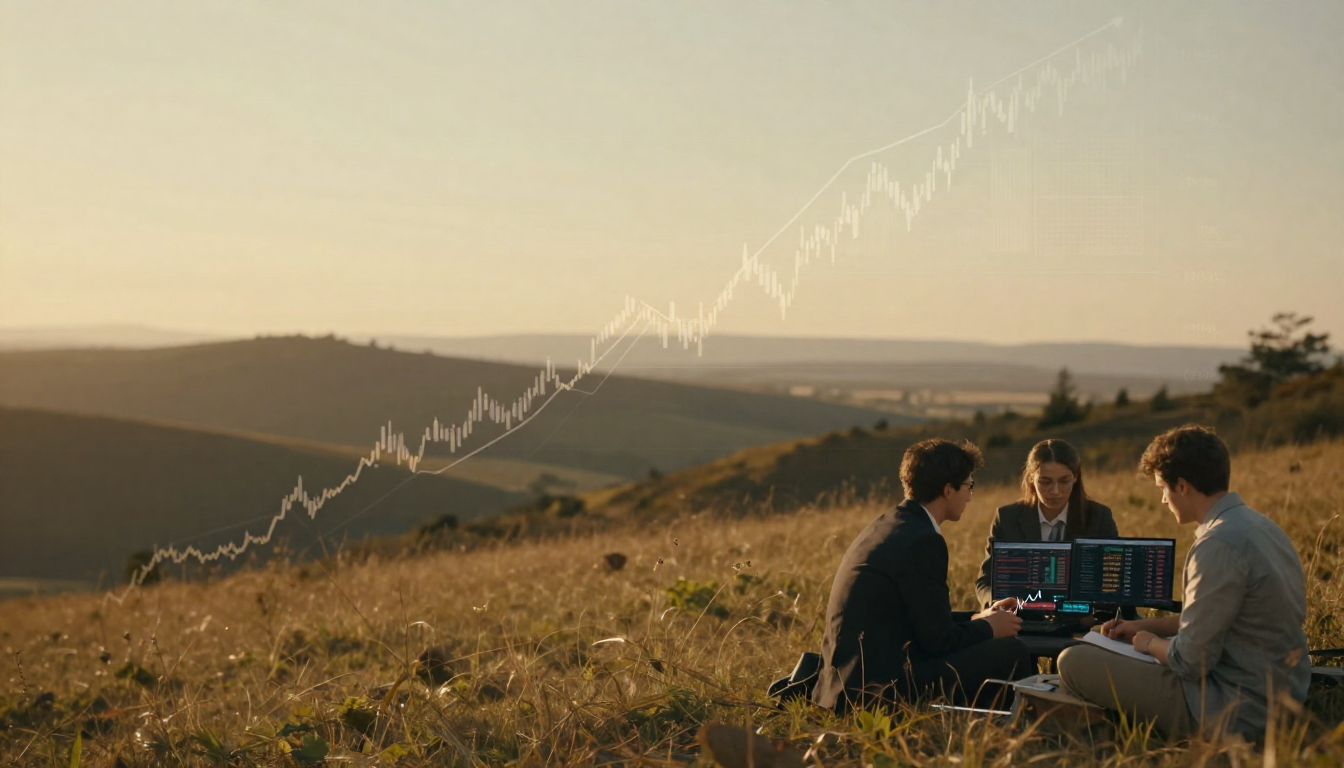

Bond Yields Matter More Than Stocks: 7 Signals Markets Can’t Ignore in 2026
Global • Markets • Macro Indicators
- Why Markets Are Watching Bonds Closely
- What Bond Yields Actually Represent
- Signal 1: Growth Expectations Are Shifting
- Signal 2: Inflation Risk Is Being Repriced
- Signal 3: Yield Curve Warnings
- Signal 4: Capital Is Moving to Safety
- Signal 5: Central Bank Credibility Test
- Signal 6: Equity Valuations vs Reality
- Signal 7: Liquidity Preference Is Rising
- Final Perspective
Bond yields are once again leading market conversations in 2026.
While stock indices continue to move on sentiment and narratives, the bond market is quietly pricing long-term economic reality.
For institutional investors, bonds now matter more than headlines.
Why Markets Are Watching Bonds Closely
Equity markets reflect optimism, fear, and short-term positioning.
Bond markets reflect expectations about growth, inflation, and policy credibility.
In uncertain environments, professional capital follows signals, not stories.
What Bond Yields Actually Represent
Bond yields embed expectations about future interest rates, inflation trends, and economic momentum.
They are forward-looking instruments, often adjusting before equities react.
This makes them critical indicators in 2026.
Signal 1: Growth Expectations Are Shifting
Flattening or falling yields suggest slowing growth expectations.
Despite resilient consumption data, the bond market signals caution.
This divergence highlights rising macro uncertainty.
Signal 2: Inflation Risk Is Being Repriced
Inflation fears have not disappeared.
Yields reflect ongoing concern about supply chains, energy costs, and fiscal pressure.
Bond investors price persistence, not optimism.
Signal 3: Yield Curve Warnings
Yield curve behavior remains closely watched.
Inversions or near-inversions historically precede slowdowns.
Equity markets often ignore these warnings until late.
Signal 4: Capital Is Moving to Safety
Rising demand for government bonds indicates defensive positioning.
This suggests capital prioritizes preservation over expansion.
Such shifts often precede equity repricing.
Signal 5: Central Bank Credibility Test
Bond yields respond directly to policy credibility.
When investors doubt central bank control, yields adjust immediately.
This dynamic dominates 2026 market structure.
Signal 6: Equity Valuations vs Reality
Equity valuations rely on future earnings assumptions.
Bond yields challenge these assumptions by repricing risk-free returns.
This tension shapes asset allocation decisions.
Signal 7: Liquidity Preference Is Rising
Higher yields make fixed income more attractive.
Liquidity and predictability now compete with growth narratives.
According to Investopedia , bond yields are a core indicator of market expectations.
A related explanation on capital signals is available here.
Stocks tell stories. Bonds price consequences.
Final Perspective
In 2026, ignoring bond markets is a mistake.
They reflect disciplined capital, not retail emotion.
As uncertainty persists, bond yields provide clearer guidance than short-term equity moves.
Those who listen early adjust before narratives collapse.
Disclaimer: This content is for educational purposes only and does not constitute financial or investment advice.