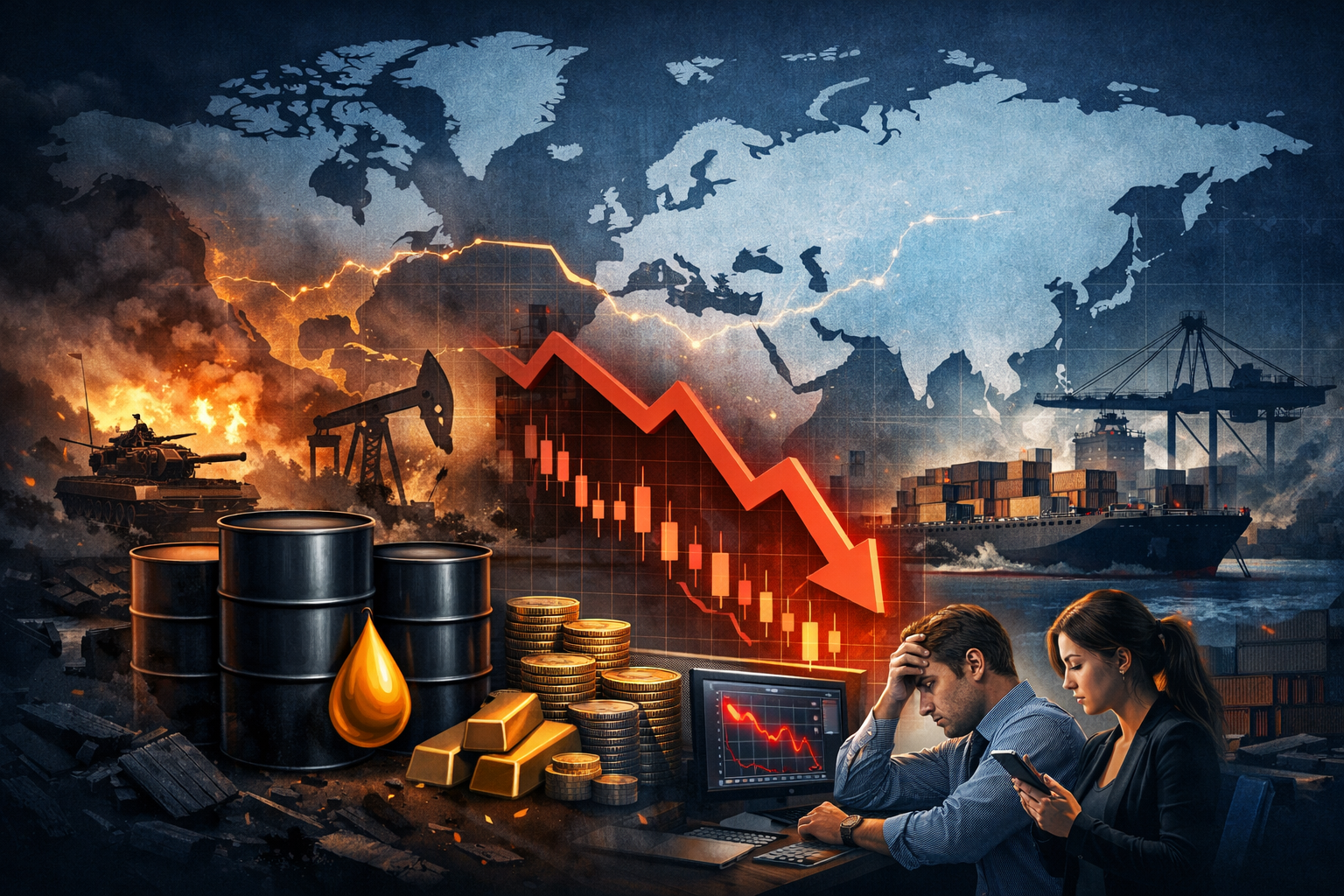
Deglobalization Trend 2026: Why Countries Are Turning Inward
Explained
Table of Contents
Deglobalization trend 2026 describes the gradual shift away from deep global integration toward regional and national priorities.
This change is reshaping trade, investment, and geopolitics.
What Is Driving the Deglobalization Trend 2026
Supply-chain shocks, geopolitical tensions, and security concerns are key drivers.
Countries seek resilience over efficiency.
Trade Is Becoming More Regional
Governments favor trusted partners and near-shoring strategies.
This reduces exposure to distant disruptions.
Impact on Businesses and Consumers
Costs may rise as redundancy replaces efficiency.
In deglobalization trend 2026, pricing power and localization matter.
Why This Is Not Full Isolation
Global trade continues, but with new rules and priorities.
Strategic sectors see the biggest changes.
What Signals Matter Most
Trade agreements, industrial policy, and supply-chain investment data.
Read more macro explainers in our Explained section.
Global trade trends are monitored by WTO.
Deglobalization is selective, not absolute.
Final Thought
Deglobalization trend 2026 reflects a search for stability in an uncertain world.
Disclaimer: Educational only.