
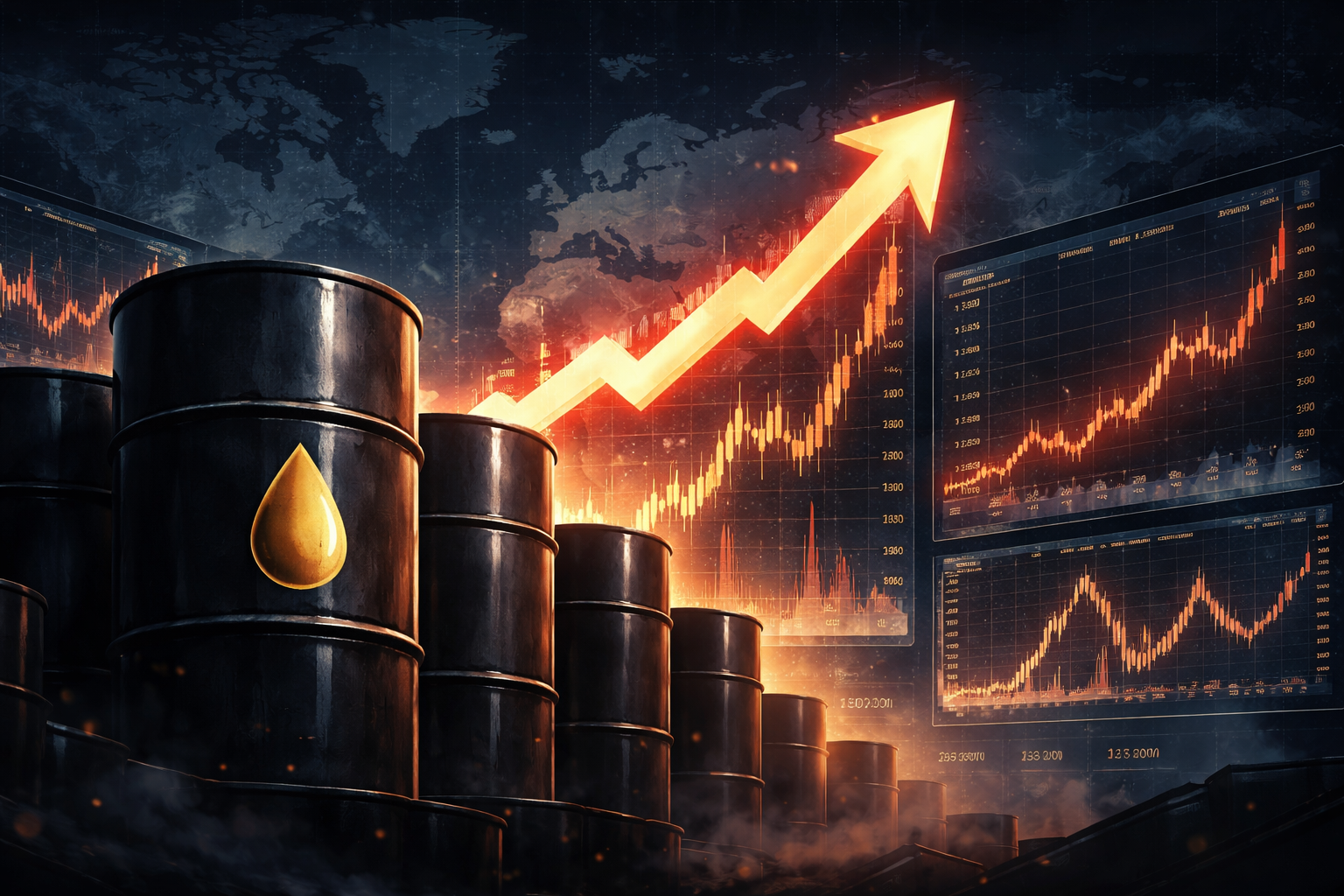
Oil Price Surge Explained: 5 Big Reasons Fuel Costs Are Rising Again
Market · Energy Update
Oil price surge has once again become a trending global topic as crude prices move sharply higher. Rising oil prices don’t just affect fuel stations — they influence inflation, stock markets and even central bank policy decisions.
1. Supply Disruptions
Geopolitical tensions and production cuts from major oil-producing nations are tightening global supply. Even small disruptions can push prices upward quickly.
2. Strong Global Demand
Economic recovery in key regions has increased industrial activity and travel demand. Higher consumption naturally supports the ongoing oil price surge.
3. Strategic Production Decisions
Oil-producing alliances often adjust output levels to stabilize or lift prices. Reduced production typically results in tighter supply.
4. Currency Movements
Since oil is priced in US dollars, currency fluctuations can influence global oil demand and price volatility.
5. Inflation Hedge Buying
Investors sometimes move into commodities like oil during inflationary periods, increasing price momentum.
The current oil price surge could influence transportation costs, manufacturing expenses and consumer prices globally.
For more updates, visit our Market section.
Disclaimer: Commodity markets are volatile.