

Cost of Living Is Rising: Why Governments Are Struggling to Control It
Opinion • Economy • Public Policy
- The Cost of Living Reality
- Why Inflation Numbers Feel Disconnect
- Structural Pressure Points
- Housing: The Core Problem
- Healthcare Costs Never Reverse
- Education and Skill Inflation
- Why Policy Tools Are Weak
- Global Forces Governments Can’t Control
- What This Means for Households
- Final Perspective
Governments across the world point to easing inflation as a success.
Yet households continue to feel under pressure.
The disconnect exists because cost of living is shaped by long-term structural forces, not short-term policy actions.
The Cost of Living Reality
Cost of living reflects the real expenses required to maintain daily life.
Housing, healthcare, education, food, and transportation dominate household budgets.
When these remain expensive, financial stress persists even if inflation slows.
Why Inflation Numbers Feel Disconnect
Inflation measures the speed of price increases, not price levels.
Prices can stop rising quickly while staying permanently high.
For households, this distinction offers no relief.
Structural Pressure Points
Most cost pressures today are structural.
They build over years and resist quick fixes.
This makes political promises difficult to deliver.
Housing: The Core Problem
Housing is the largest cost driver.
Limited land, zoning restrictions, rising construction costs, and population growth keep supply tight.
Even falling interest rates cannot quickly reduce housing expenses.
Healthcare Costs Never Reverse
Healthcare costs rarely decline once they rise.
Aging populations, advanced treatments, and administrative complexity push expenses higher each year.
Governments can subsidize, but cannot structurally lower long-term costs easily.
Education and Skill Inflation
Education has become a requirement, not a choice.
As job markets evolve, families spend more on degrees, certifications, and training.
This creates a permanent upward pressure on living expenses.
Why Policy Tools Are Weak
Governments mainly rely on interest rates, taxes, and subsidies.
These tools influence demand, not supply shortages.
Overuse also risks debt expansion and fiscal imbalance.
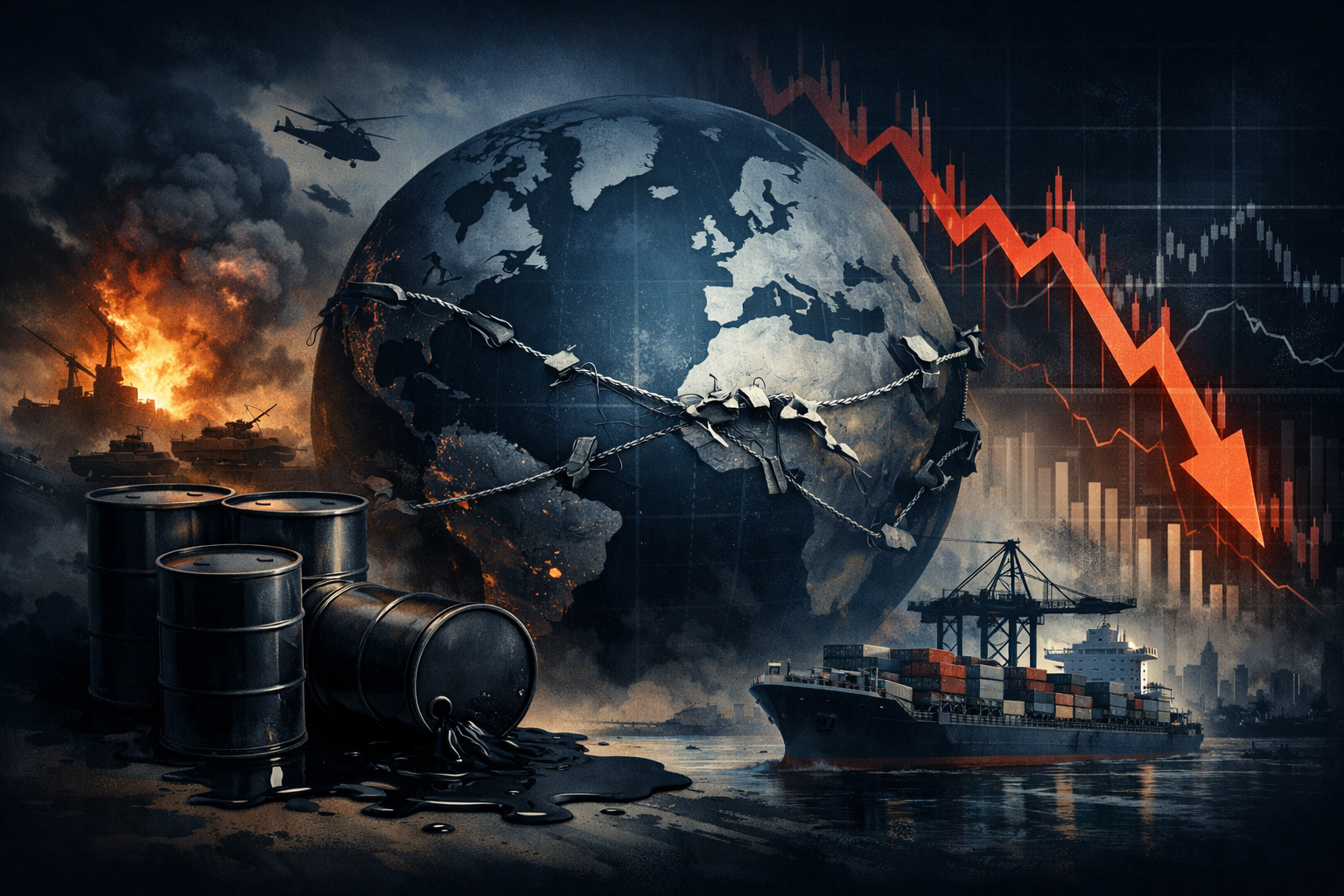
Global Forces Governments Can’t Control
Energy, food, and raw materials are globally priced.
Geopolitics, climate events, and trade disruptions transmit costs instantly across borders.
Local governments manage consequences, not causes.
According to Investopedia , cost-of-living pressure persists even when headline inflation cools.
What This Means for Households
Households are adjusting behavior rather than expecting relief.
- Lower discretionary spending
- Delayed housing and family decisions
- Higher debt dependence
- Reduced savings rates
A deeper breakdown on household financial stress is discussed here.
Inflation can slow. Cost of living stays.
Final Perspective
Governments are not failing intentionally.
They are constrained by structural realities.
As long as housing, healthcare, and education remain scarce, cost of living will stay elevated.
For households, adaptation matters more than official optimism.
Disclaimer: This content is for educational purposes only and does not constitute financial or investment advice.