6 Reasons Silver Is Becoming an Industrial Power Asset
Explained • Commodities • Industry
- Why Silver Is Often Misunderstood
- Reason 1: Dual Role — Metal and Material
- Reason 2: Solar Energy Demand
- Reason 3: Electric Vehicles and Electronics
- Reason 4: Limited Supply Growth
- Reason 5: Industrial Dependence
- Reason 6: Strategic Importance
- Final Perspective
Most people see silver as a cheaper alternative to gold. That view is outdated.
Today, this metal is increasingly valued not for ornamentation, but for its role inside modern industry.
Technology, energy transition, and manufacturing are quietly reshaping its importance.
Why Silver Is Often Misunderstood
Historically, silver functioned as money. Later, it became associated with jewelry and coins.
What is overlooked is its industrial relevance — a role that has expanded significantly in recent decades.
This misunderstanding keeps attention low, even as dependency grows.
Reason 1: Dual Role — Metal and Material
Unlike most commodities, silver operates in two worlds.
It is both a store of value and a critical industrial material.
This dual role makes it sensitive to economic growth and technological adoption at the same time.
Reason 2: Solar Energy Demand
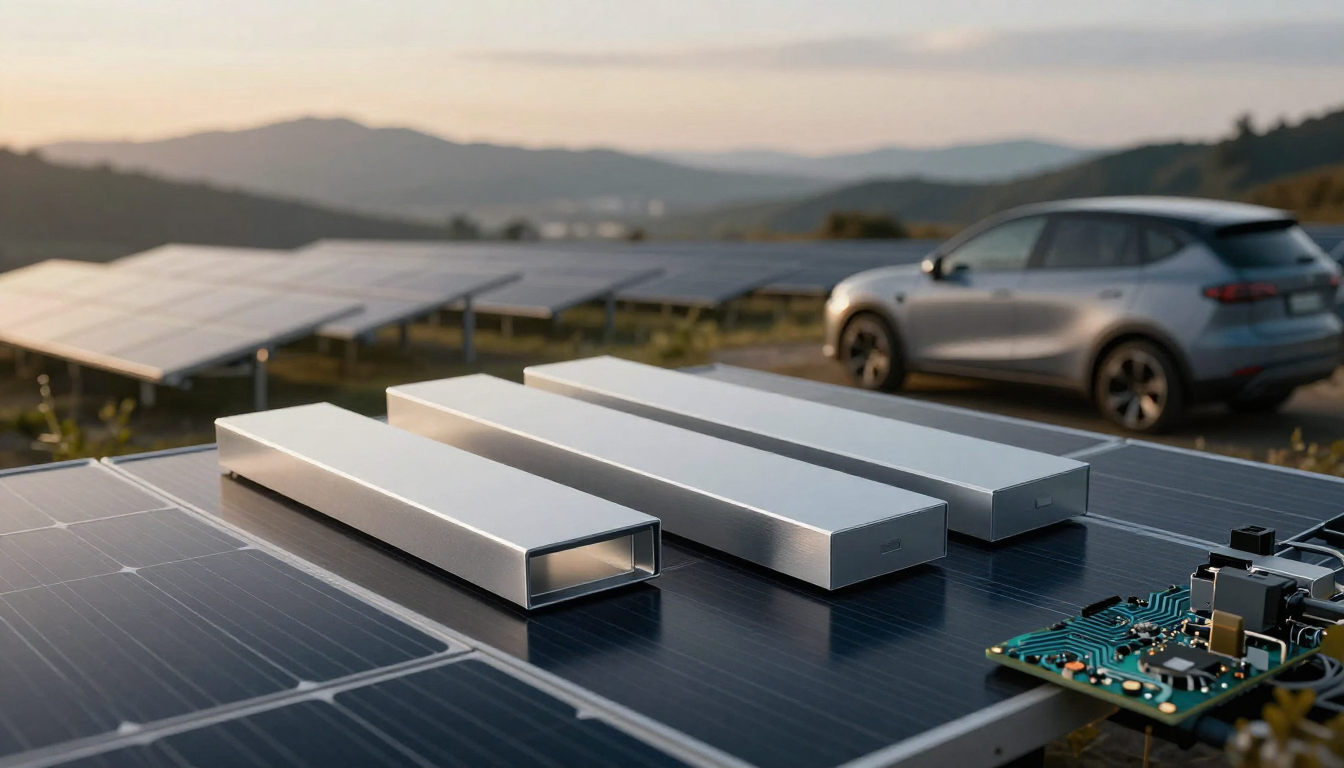
Solar panels rely on high conductivity materials.
Silver is used extensively in photovoltaic cells because of its efficiency and reliability.
As renewable energy capacity expands, industrial consumption continues to rise.
According to data summarized by the International Energy Agency , solar installations are growing faster than legacy energy sources.
Reason 3: Electric Vehicles and Electronics
Electric vehicles require more electrical components than traditional automobiles.
Silver plays a role in batteries, control systems, and power connections.
Beyond EVs, electronics, medical devices, and communication equipment rely on this metal.
Reason 4: Limited Supply Growth
Unlike energy commodities, supply cannot be rapidly scaled.
Mining output grows slowly and is often tied to other metals.
This creates structural constraints when demand accelerates.
Reason 5: Industrial Dependence
Once integrated into production processes, substitution becomes difficult.
Industries prefer reliability over experimentation.
That dependence increases strategic value over long periods.
Reason 6: Strategic Importance
Metals critical to technology and energy gain strategic relevance.
As nations prioritize self-sufficiency, industrial materials receive greater attention.
A broader overview of commodity behavior is explained here.
Silver is not exciting because it is cheap. It matters because modern systems increasingly depend on it.
Final Perspective
This metal is no longer defined by history alone.
Its future is tied to industry, technology, and energy transition.
That shift explains why silver is quietly moving from background metal to strategic asset.
Disclaimer: This content is for educational purposes only and does not constitute financial or investment advice.