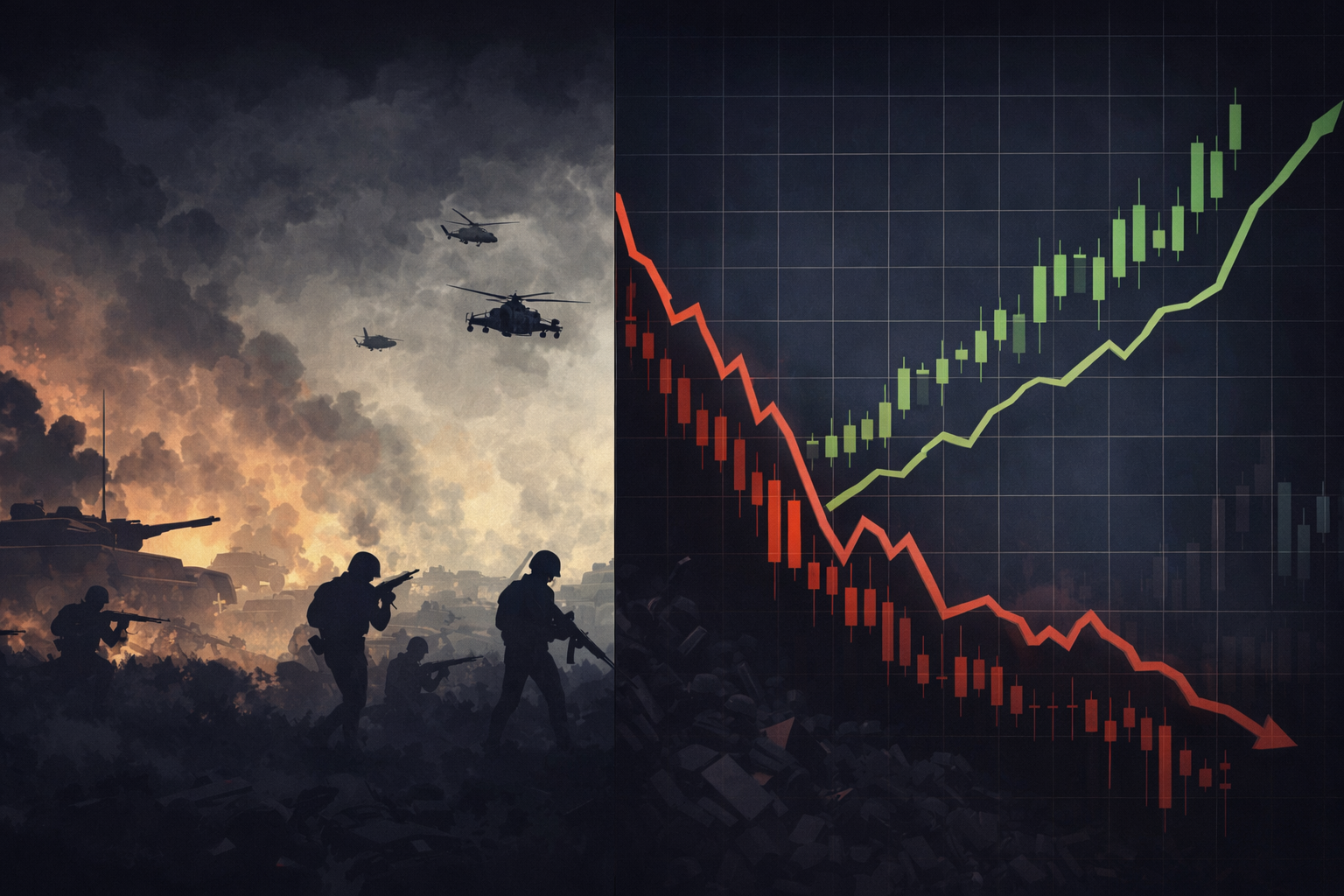


5 Signs the US Dollar Is Losing Its Global Grip
Global • Money • Power
- Why the US Dollar Matters
- Sign 1: Trade Without the Dollar
- Sign 2: Central Banks and Gold
- Sign 3: Sanctions Fatigue
- Sign 4: BRICS and Alternatives
- Sign 5: Reserve Diversification
- What This Shift Actually Means
For more than seventy years, the US dollar has been the backbone of global trade, reserves, and financial power.
It remains dominant today. But dominance is no longer unquestioned.
What is happening globally is not collapse — it is preparation for alternatives.
Why the US Dollar Matters
The US dollar is not just a medium of exchange. It is the core operating system of global finance.
Trade settlement, commodity pricing, debt markets, and foreign reserves all revolve around it.
As long as the dollar dominates, financial influence remains centralized.
Sign 1: Trade Without the Dollar
An increasing number of countries are settling bilateral trade using local currencies.
This does not eliminate the dollar, but it reduces automatic dependency.
Over time, habits matter more than headlines. Each non-dollar transaction weakens structural reliance.
Sign 2: Central Banks and Gold
Central banks worldwide are increasing gold reserves.
Gold is neutral. It carries no political risk and no counterparty exposure.
According to data tracked by the International Monetary Fund , reserve composition is slowly diversifying.
Sign 3: Sanctions Fatigue
Sanctions weaponize the US dollar.
While effective in the short term, overuse pushes targeted countries to seek bypass mechanisms.
This creates parallel systems outside traditional dollar channels.
Sign 4: BRICS and Alternatives
Discussions around alternative settlement systems have increased significantly.
Even if implementation remains limited, the intent itself is meaningful.
You can read a broader explanation of currency systems here.
Sign 5: Reserve Diversification
The US dollar still holds the largest share of global reserves.
However, its share is gradually declining as countries spread risk across multiple assets.
As explained by Investopedia , diversification reflects hedging, not rebellion.
The dollar is not collapsing. It is facing its first serious structural challenge in decades.
What This Shift Actually Means
This is not a sudden transfer of power. It is a slow redistribution.
The US dollar will remain central, but less absolute.
This transition increases volatility and reduces predictability in global markets.
A related perspective on power dynamics is discussed here.
Final Thought
Global dominance rarely disappears overnight.
It erodes quietly, one alternative at a time.
The US dollar still rules — but it no longer rules alone.
Disclaimer: This content is for educational purposes only and does not constitute financial or investment advice.