Why Middle Class Feels Poorer in 2026: 5 Hidden Economic Reasons Explained
Explained · Economy
Table of Contents
- Why Middle Class Feels Poorer in 2026
- Living Costs Stay High
- Income Growth Is Not Matching Expenses
- Debt and Monthly Payments Rise
- Psychological Effect of Financial Pressure
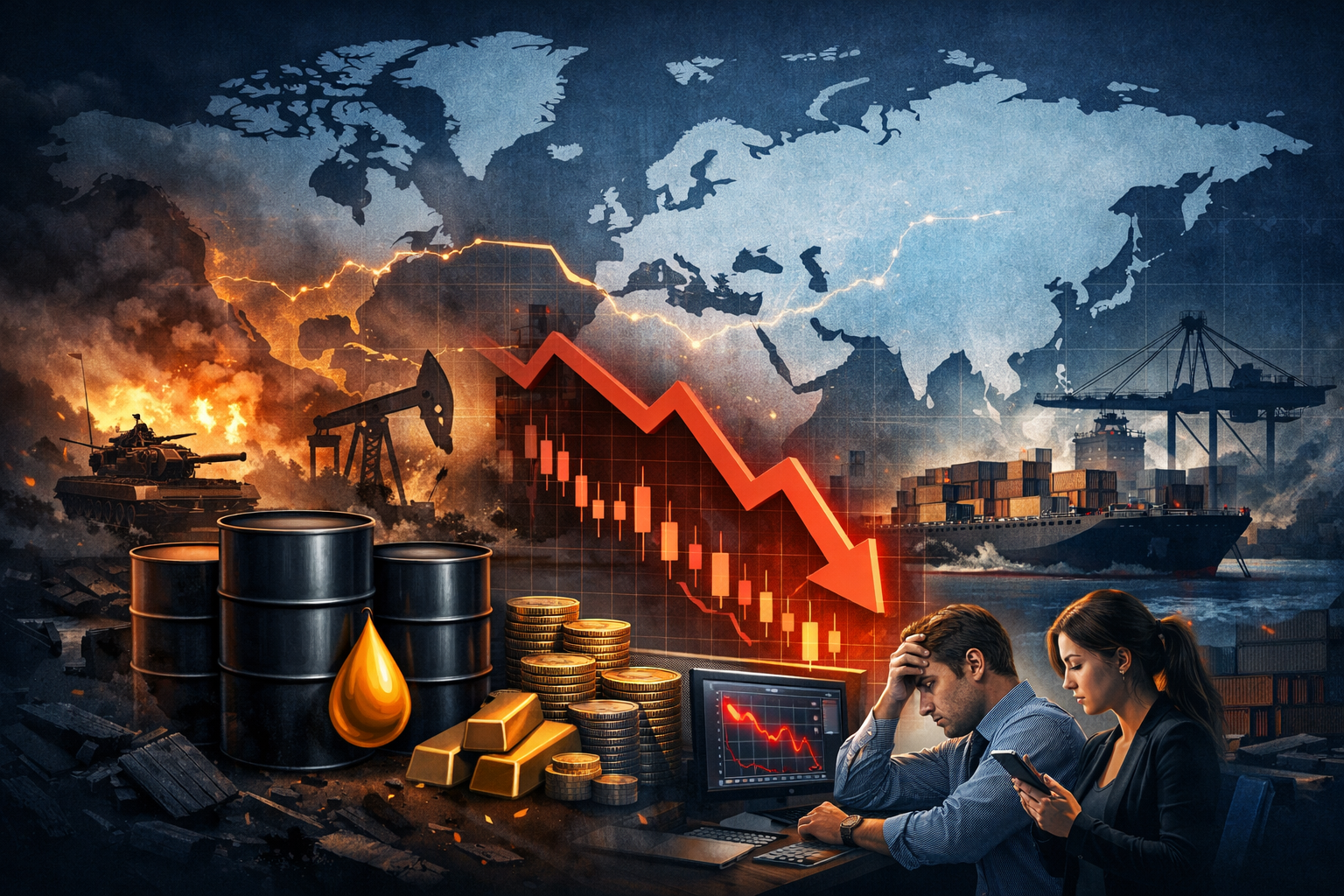
Why middle class feels poorer has become one of the most searched economic questions in 2026. Even though unemployment remains low and economic headlines look stable, many households report feeling financially stretched.
The reason lies in the difference between economic statistics and everyday reality.
Living Costs Stay High
One major reason why middle class feels poorer is that prices have remained elevated even after inflation slowed. Essentials like housing, healthcare, and groceries now consume a larger share of income.
Income Growth Is Not Matching Expenses
Wages are rising slowly compared to long-term cost increases. This reduces disposable income and savings potential for many families.
Debt and Monthly Payments Rise
Higher interest rates increase credit card and loan payments. Many households feel pressure even if their income remains steady.
Psychological Effect of Financial Pressure
Economic confidence depends on perception. Constant exposure to rising prices and uncertainty makes people more cautious with spending.
Read more economic explainers in our Explained section.
Consumer sentiment research regularly highlights the gap between economic data and household confidence levels.
Final Thought
The answer to why middle class feels poorer is not just about income — it reflects long-term cost changes, financial stress, and shifting expectations in modern economies.
Disclaimer: Educational analysis only.