Why the Cost of Living Feels High Even When Inflation Is Falling
Explained · Economy
Table of Contents
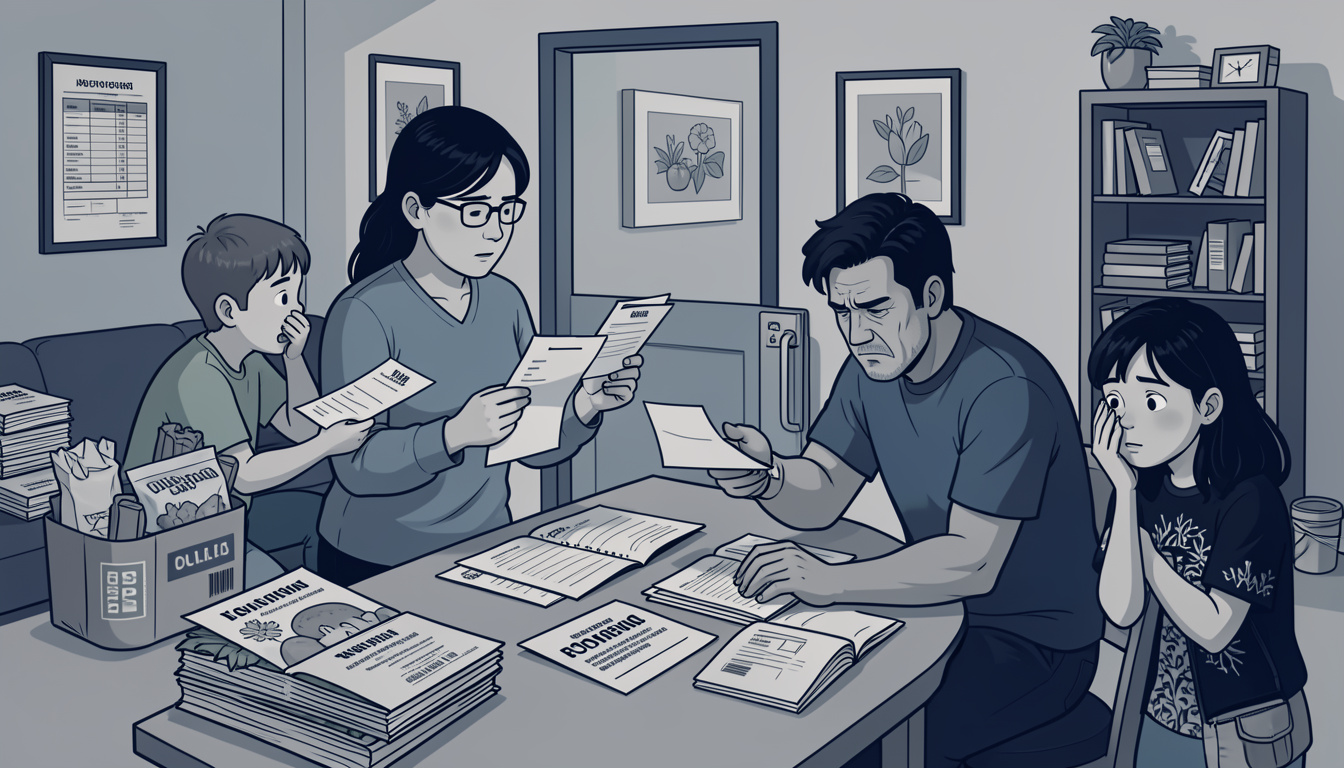
Cost of living feels high for millions of households even as inflation headlines suggest improvement. This disconnect confuses many people, but it has clear economic reasons.
The main issue is that inflation measures the speed of price increases, not the price level itself. When inflation slows, prices stop rising quickly, but they rarely fall.
Housing is a major factor. Rent and mortgage costs remain elevated after years of increases. Even modest income growth struggles to absorb these fixed expenses.
Healthcare, insurance, and education costs also stay sticky. Once raised, these expenses reset household budgets permanently.
This explains why the cost of living feels high even when inflation rates cool.
Wage growth adds another layer. While some sectors see pay increases, many workers experience only marginal gains after adjusting for higher expenses.
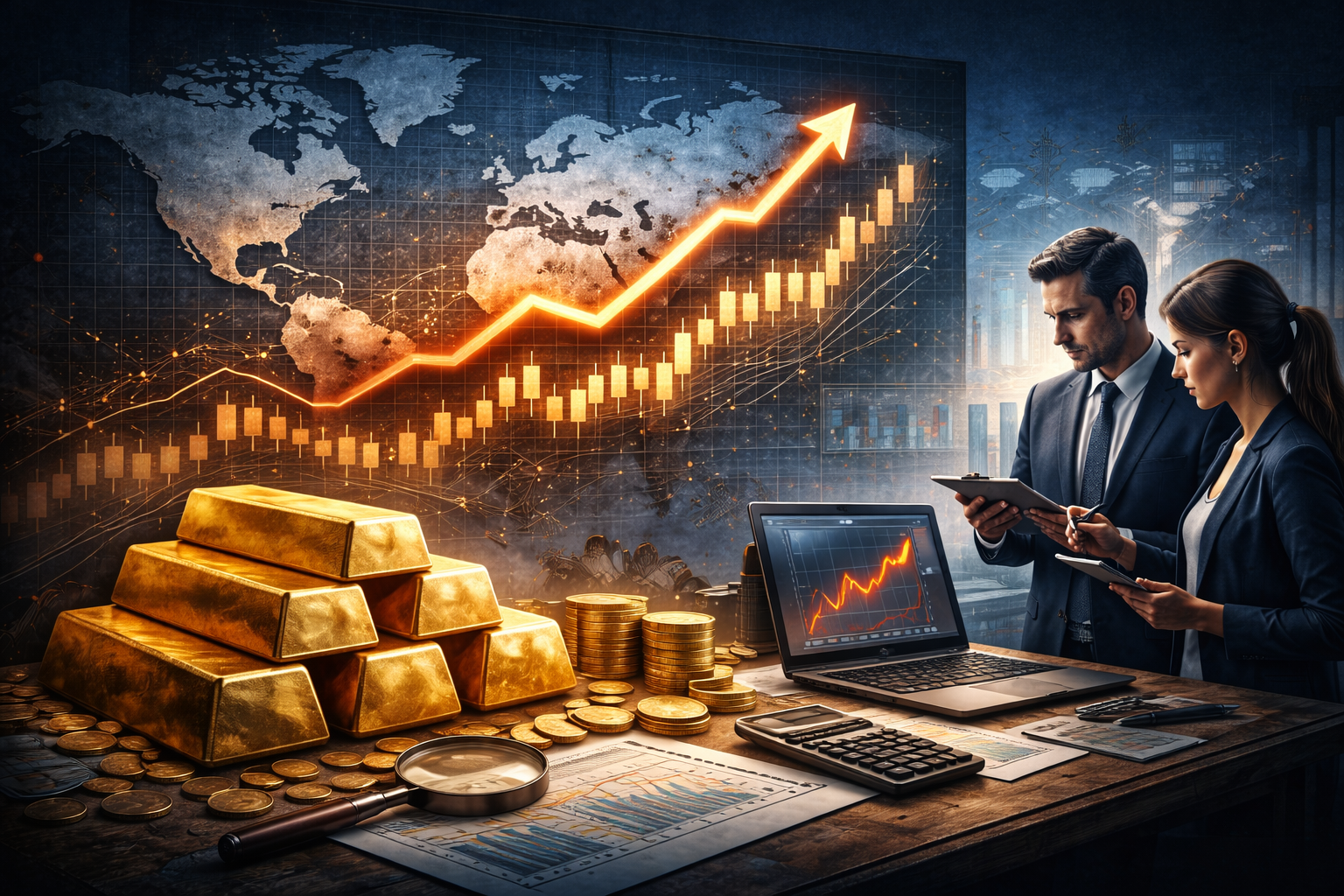
Asset inflation worsens the perception gap. Stock markets and property values recover faster than household finances, benefiting asset owners more than wage earners.
Psychology plays a role as well. After years of economic shocks, confidence takes time to recover. People focus on bills, not averages.
As a result, households become cautious. Spending slows, savings rise, and financial stress remains even without a recession.
More long-term economic explanations are available in our Explained section.
Cost-of-living data is tracked by the US Bureau of Labor Statistics .
Final Thought
The reality is simple: when prices rise faster than incomes for years, the cost of living feels high long after inflation slows.
Disclaimer: Educational content only.