

7 Critical Reasons Markets Fear Geopolitical Risk More Than Inflation
Global • Markets • Risk Analysis
- Why Market Fear Has Shifted
- Reason 1: Inflation Is Predictable
- Reason 2: Sudden Shocks Change Everything
- Reason 3: Fragile Global Supply Chains
- Reason 4: Energy and Trade Route Exposure
- Reason 5: Limited Policy Protection
- Reason 6: Capital Avoids Uncertainty
- Reason 7: Rising Risk Premium
- Final Perspective
For years, inflation dominated market conversations. Central banks, interest rates, and price stability drove investor behavior.
That dominance is fading.
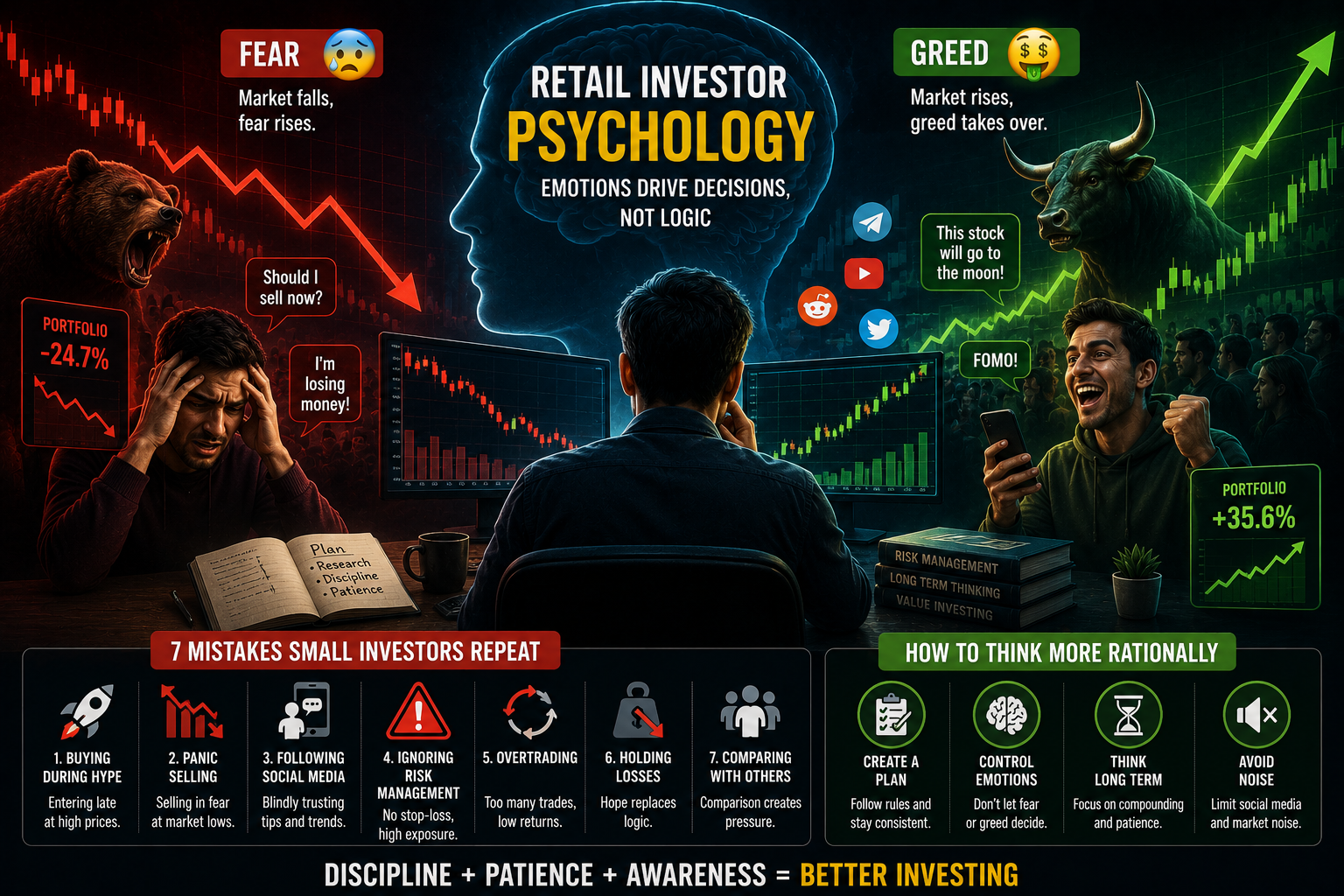
Today, geopolitical risk worries markets more than inflation because it introduces uncertainty that cannot be forecast or managed easily.
Why Market Fear Has Shifted
Inflation is uncomfortable, but measurable.
Markets receive data, guidance, and policy signals well in advance.
Geopolitical risk, on the other hand, arrives without warning and changes assumptions overnight.
Reason 1: Inflation Is Predictable
Inflation trends develop gradually.
Even sharp price increases usually follow visible patterns linked to demand, policy, or supply.
This predictability allows markets to adjust positions over time.
Reason 2: Sudden Shocks Change Everything
Geopolitical events do not follow calendars.
Conflicts, sanctions, border closures, or diplomatic breakdowns can occur overnight.
Markets fear events they cannot price in advance.
Reason 3: Fragile Global Supply Chains
Modern supply chains are designed for efficiency, not resilience.
They work smoothly until disrupted.
Geopolitical tension breaks logistics, raises costs instantly, and disrupts production cycles.
Reason 4: Energy and Trade Route Exposure
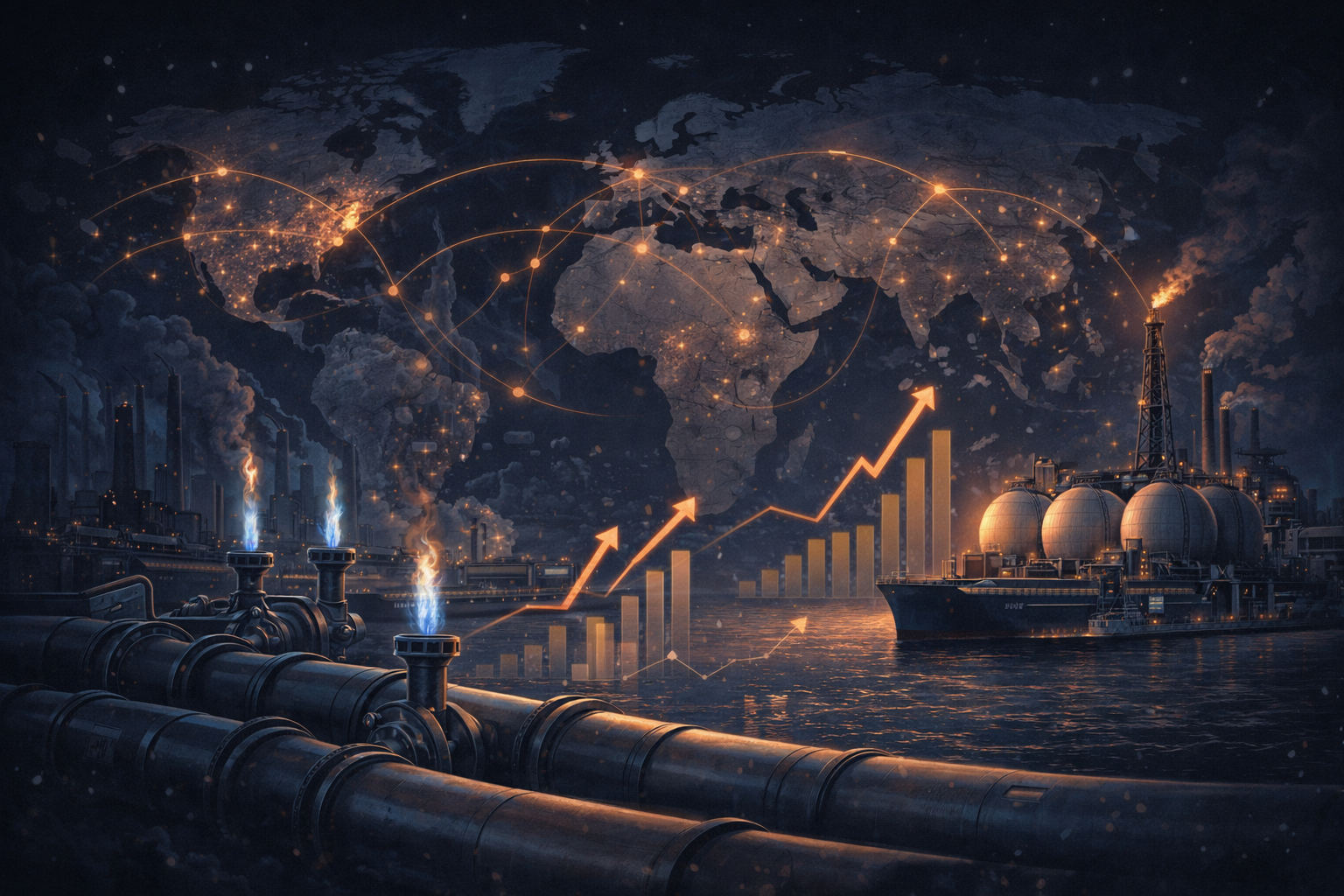
Energy markets react immediately to instability.
Shipping lanes, chokepoints, and trade corridors remain highly sensitive to conflict.
Disruptions here ripple through inflation, growth, and confidence simultaneously.
Reason 5: Limited Policy Protection
Central banks can respond to inflation.
They cannot resolve wars, secure shipping routes, or restore diplomatic stability.
This limits the ability of policymakers to calm markets during geopolitical stress.
Reason 6: Capital Avoids Uncertainty
Capital seeks visibility.
When outcomes become unclear, investors reduce exposure rather than increase risk.
Geopolitical risk introduces uncertainty without offering compensating returns.
Reason 7: Rising Risk Premium
Investors now demand higher compensation for holding risk assets.
This raises volatility and pressures valuations across markets.
As explained by Investopedia , geopolitical uncertainty increases risk premiums and encourages capital flight.
A related breakdown of market uncertainty cycles is discussed here.
Inflation changes numbers. Geopolitical risk changes rules.
Final Perspective
Markets have learned how to manage inflation cycles.
They have not learned how to manage permanent uncertainty.
As global tensions remain unresolved, geopolitical risk will continue to dominate market psychology.
That is why fear today is driven less by prices and more by unpredictable global events.
A broader view on uncertainty-driven markets can be found here.
Disclaimer: This content is for educational purposes only and does not constitute financial or investment advice.