Subscription Culture in 2026: 7 Shocking Ways It Is Making People Poorer
Lifestyle • Money • Society
Table of Contents
Subscription culture has quietly become one of the biggest financial traps of modern life.
In 2026, people no longer buy things. They rent access — to entertainment, software, fitness, food, and even transportation.
Small Payments Create Big Damage
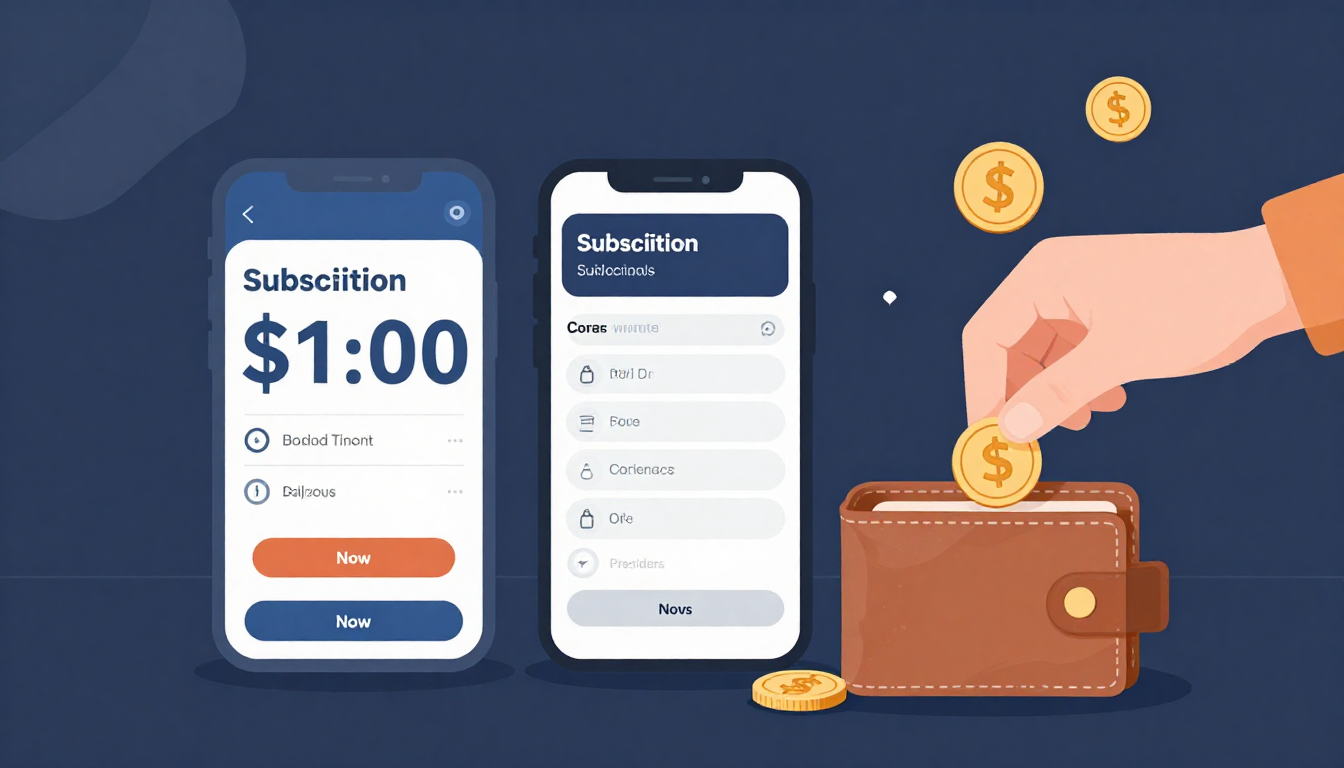
Each subscription looks harmless. But together they create a permanent monthly burden.
This reduces free cash flow without people realizing where the money went.
Ownership Has Been Replaced
Earlier you paid once and owned something for years.
Now you keep paying forever just to keep access.
Subscriptions Bypass Pain
Recurring charges avoid psychological resistance. Because payments happen automatically, spending feels invisible.
This makes overspending easy and addictive.
Lifestyle Inflation Becomes Permanent
As income rises, people add more subscriptions instead of building assets.
Expenses scale up, but savings do not.
Financial Control Is Lost
When income drops, fixed subscriptions remain.
This creates stress and dependency.
For deeper breakdowns on modern money behavior, visit our Explained section.
Global consumer research from World Economic Forum shows digital payments and subscriptions growing faster than household income.
Subscriptions feel cheap. Poverty is expensive.
Final Thought
The rise of subscription culture is not about convenience. It is about control.
The more you rent your life, the less you own your future.
Disclaimer: Educational only.