
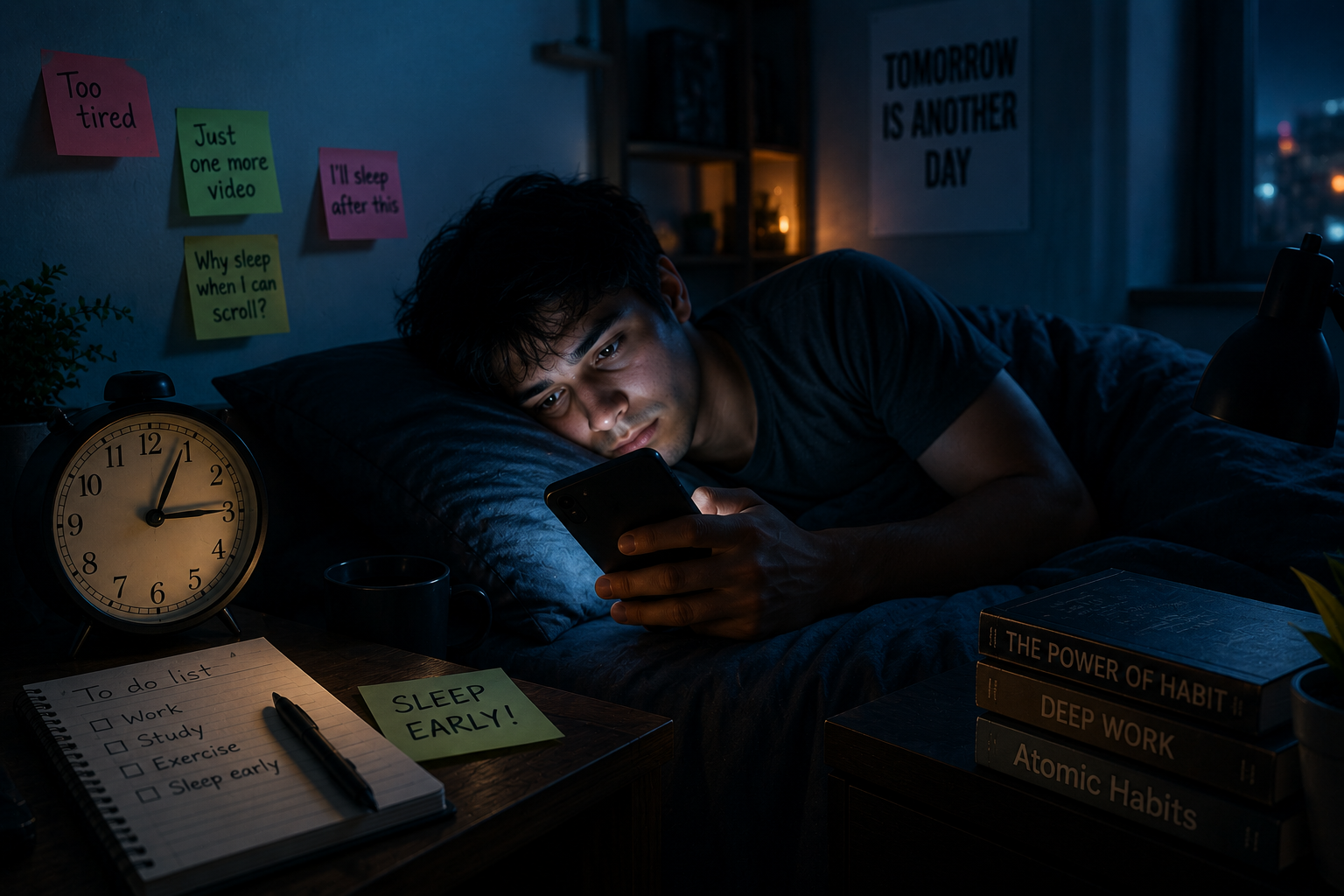
Revenge Bedtime Procrastination Meaning: Why People Sleep Late Even When They Are Tired
Many people know they should sleep early, yet they continue scrolling, watching videos or using phones late at night without any real reason.
After a long and stressful day, nighttime often feels like the only personal freedom many people have left.
Instead of sleeping, people continue using social media, watching videos or browsing the internet even when they already feel exhausted.
This increasingly common behavior is known as revenge bedtime procrastination meaning.
📑 Table of Contents
- What Is Revenge Bedtime Procrastination?
- Why It Happens
- Common Signs
- Psychological Reasons
- Effects on Health
- How Social Media Increases It
- How to Reduce It
- Final Thoughts
📌 What Is Revenge Bedtime Procrastination Meaning?
Revenge bedtime procrastination meaning refers to the habit where people intentionally delay sleep in order to regain personal free time after a busy or stressful day.
Even though the body feels tired, the brain resists sleeping because nighttime psychologically feels like the only time fully under personal control.
🧠 Why Does It Happen?
Modern lifestyles are heavily structured around work, study, responsibilities and constant digital distractions.
⏰ Lack of Personal Time
People feel the entire day was controlled by obligations.
📱 Instant Digital Entertainment
Smartphones provide effortless comfort and escape.
Because of this, many people unconsciously sacrifice sleep for temporary relaxation.
⚠️ Common Signs of Revenge Bedtime Procrastination
1. Scrolling Social Media Late at Night
People continue scrolling even without genuine interest.
2. Watching Videos for Hours
One video quickly becomes an entire late-night session.
3. Sleeping Much Later Than Planned
Bedtime gradually shifts later every night.
4. Feeling Regret the Next Morning
People often realize they slept far less than needed.
5. Repeating the Same Cycle Daily
The behavior becomes part of routine life.
🧩 Psychological Reasons Behind It
Revenge bedtime procrastination is not simply about poor discipline. It is often connected to stress, emotional exhaustion and the feeling of lacking control during the day.
Nighttime becomes emotionally associated with:
- Freedom
- Relaxation
- Entertainment
- Escape from responsibilities
- Personal identity
📉 Effects on Mental and Physical Health
Poor sleep quality over long periods can negatively affect:
- Focus and concentration
- Productivity
- Mood stability
- Energy levels
- Stress management
- Decision-making ability
Many people underestimate how strongly sleep affects emotional balance and cognitive performance.
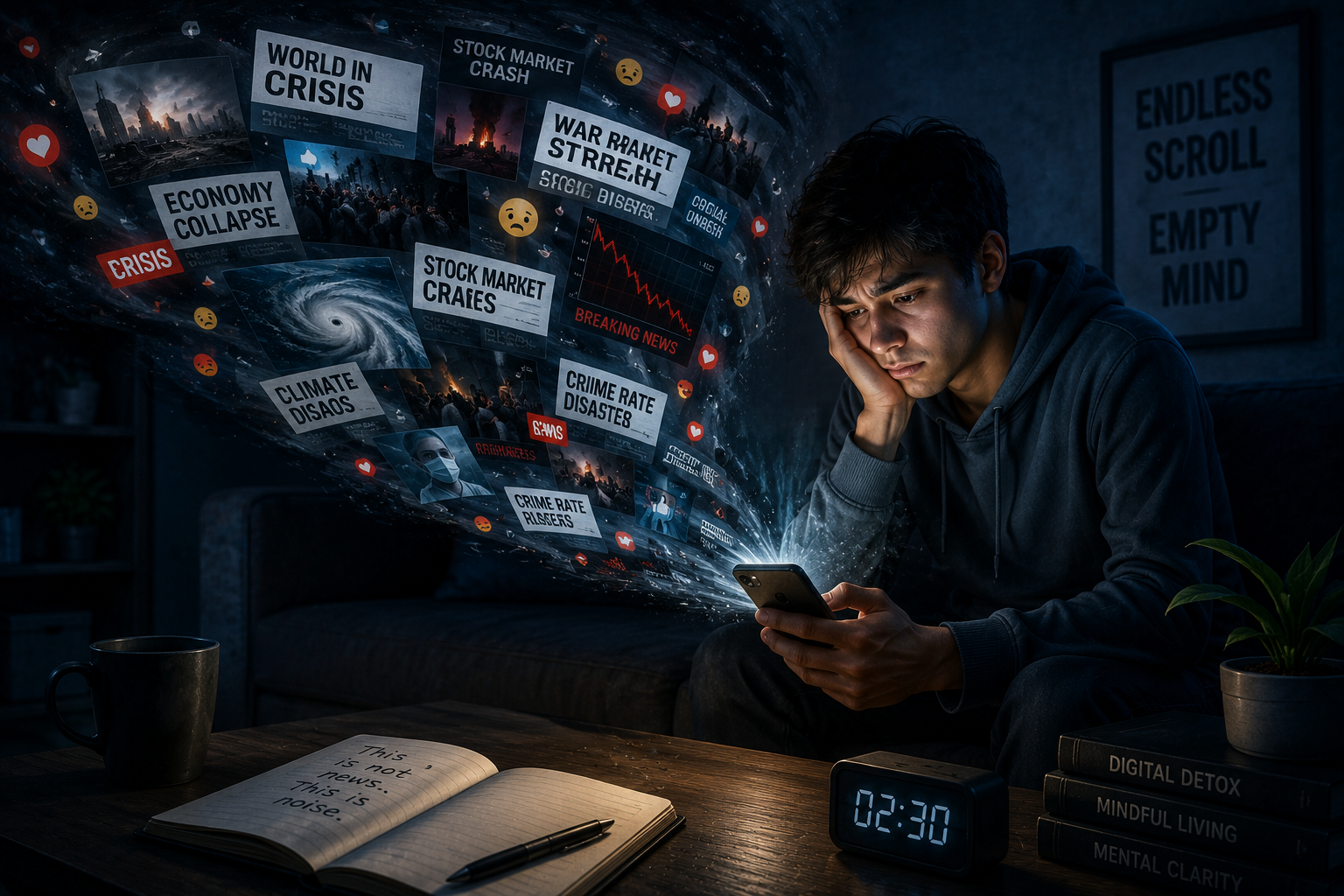
📱 How Social Media Makes It Worse
Modern apps are intentionally designed to maximize user attention.
- Infinite scrolling
- Short-form videos
- Late-night notifications
- Algorithm-driven recommendations
- Dopamine-based engagement systems
These systems make stopping difficult, especially when people already feel mentally exhausted.
✅ How to Reduce Revenge Bedtime Procrastination
- Create fixed sleeping schedules
- Avoid screens before bedtime
- Schedule relaxation during daytime
- Reduce unnecessary notifications
- Keep phones away from the bed
- Build healthier nighttime routines
🌍 Why This Topic Is Trending Globally
The rise of remote work, smartphone addiction and digital entertainment has made sleep-related behavioral discussions increasingly popular worldwide.
Younger generations especially relate to the idea of sacrificing sleep to reclaim personal time.
🧩 Final Thoughts
The real revenge bedtime procrastination meaning is understanding how modern lifestyles quietly reduce personal freedom, recovery time and mental rest.
Many people are not avoiding sleep because they dislike rest — they are trying to psychologically reclaim ownership of their time.
Explore more in our Explained section.
Disclaimer: This article is for educational and informational purposes only and does not replace professional medical or psychological advice.

[4062]k8x Official Login | সেরা অনলাইন ক্যাসিনো এবং অ্যাপ ডাউনলোড,k8x প্ল্যাটফর্মে সেরা অনলাইন ক্যাসিনো গেম উপভোগ করুন। বিকাশ দিয়ে টাকা জমা এবং অ্যাপ ডাউনলোড করে আজই খেলা শুরু করুন। visit: k8x
[3274]Casinochan – Link Vào Chính Thức | Hướng Dẫn Chơi Baccarat Online,casinochan cung cấp link truy cập an toàn, hỗ trợ tải app apk nhanh chóng và hướng dẫn nạp tiền qua Momo tiện lợi. Khám phá luật chơi slots nổ hũ ngay hôm nay! visit: casinochan
Best mobile experience so far. The graphics are top notch and ggjiliapp runs perfectly on my phone.
Super easy to navigate and the promotions are always exciting. I’ve recommended this to all my friends who like gaming. Go to taya789login right now.
Finally found a platform that doesn’t lag during peak hours. The bonuses at phpwin777 are actually legit and easy to claim. Great experience so far!