Market Volatility Today: 6 Shocking Reasons Behind the Moves
Markets | Stocks | Economy
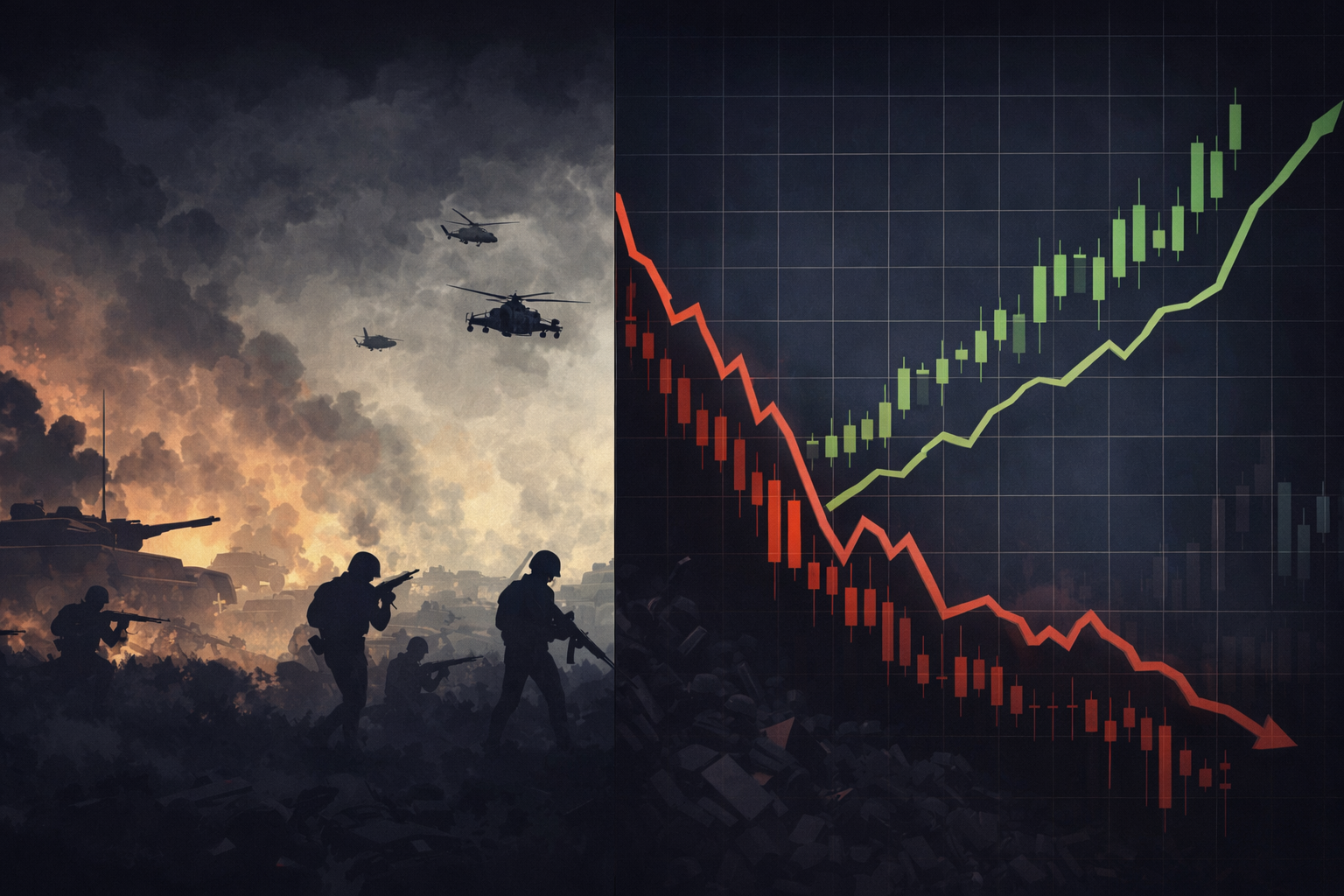
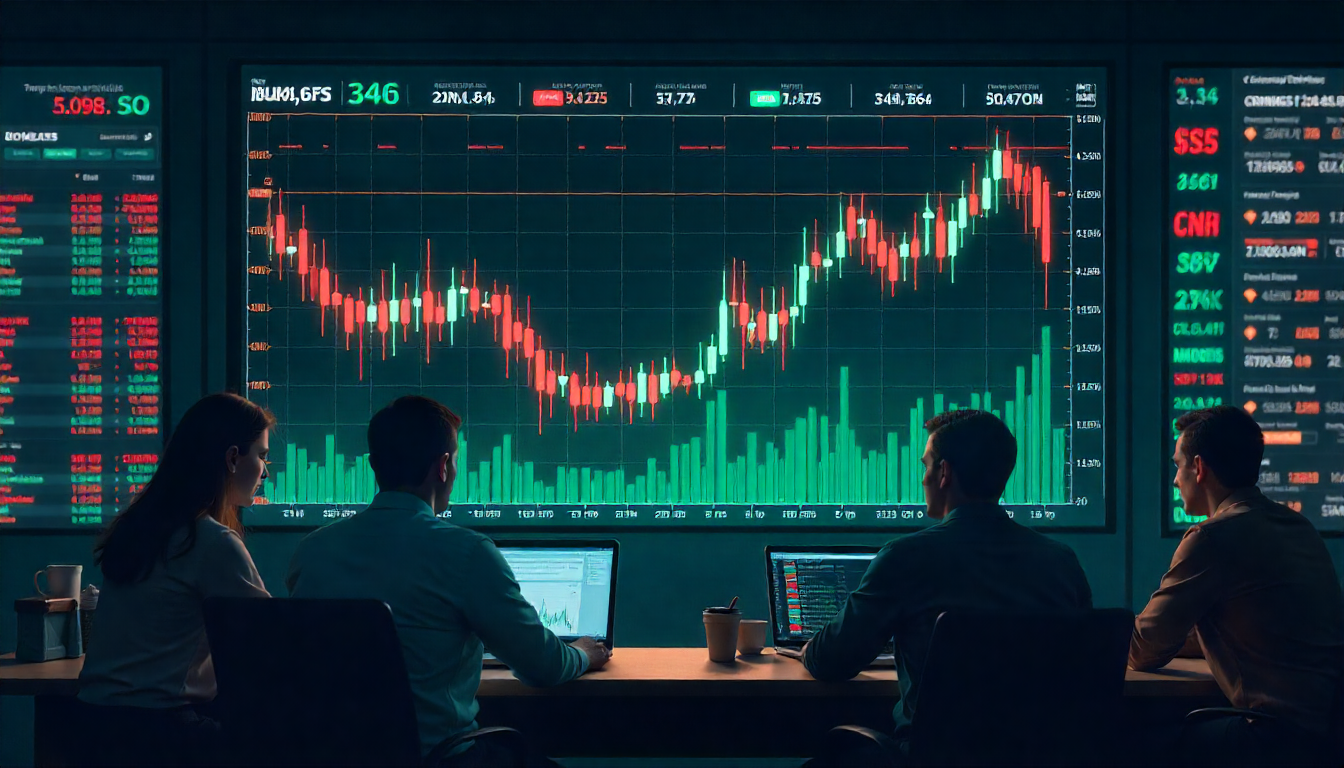
Market volatility today has left many investors confused. Prices are moving fast, emotions are high, and clarity seems missing. This sudden volatility is not random. It is driven by multiple forces acting together.
Table of Contents
- What Market Volatility Really Means
- Why Market Volatility Feels Higher Than Usual
- 6 Shocking Reasons Behind Market Volatility
- How Volatility Affects Retail Investors
- What Market Volatility Signals Ahead
What Market Volatility Really Means
Market volatility refers to the speed and size of price movements. When markets rise or fall sharply within short periods, volatility is considered high.
High volatility usually signals uncertainty, not opportunity.
Why Market Volatility Feels Higher Than Usual
Information now travels instantly. Global news, economic data, and policy signals hit markets in real time.
This speed amplifies reactions and increases market volatility.
6 Shocking Reasons Behind Market Volatility
1. Global Interest Rate Uncertainty
Central banks adjusting interest rates affect global capital flows. Even small signals can trigger strong market reactions.
2. Foreign Investor Flows
When foreign investors buy or sell aggressively, market volatility increases sharply, especially in emerging markets.
3. Currency and Commodity Pressure
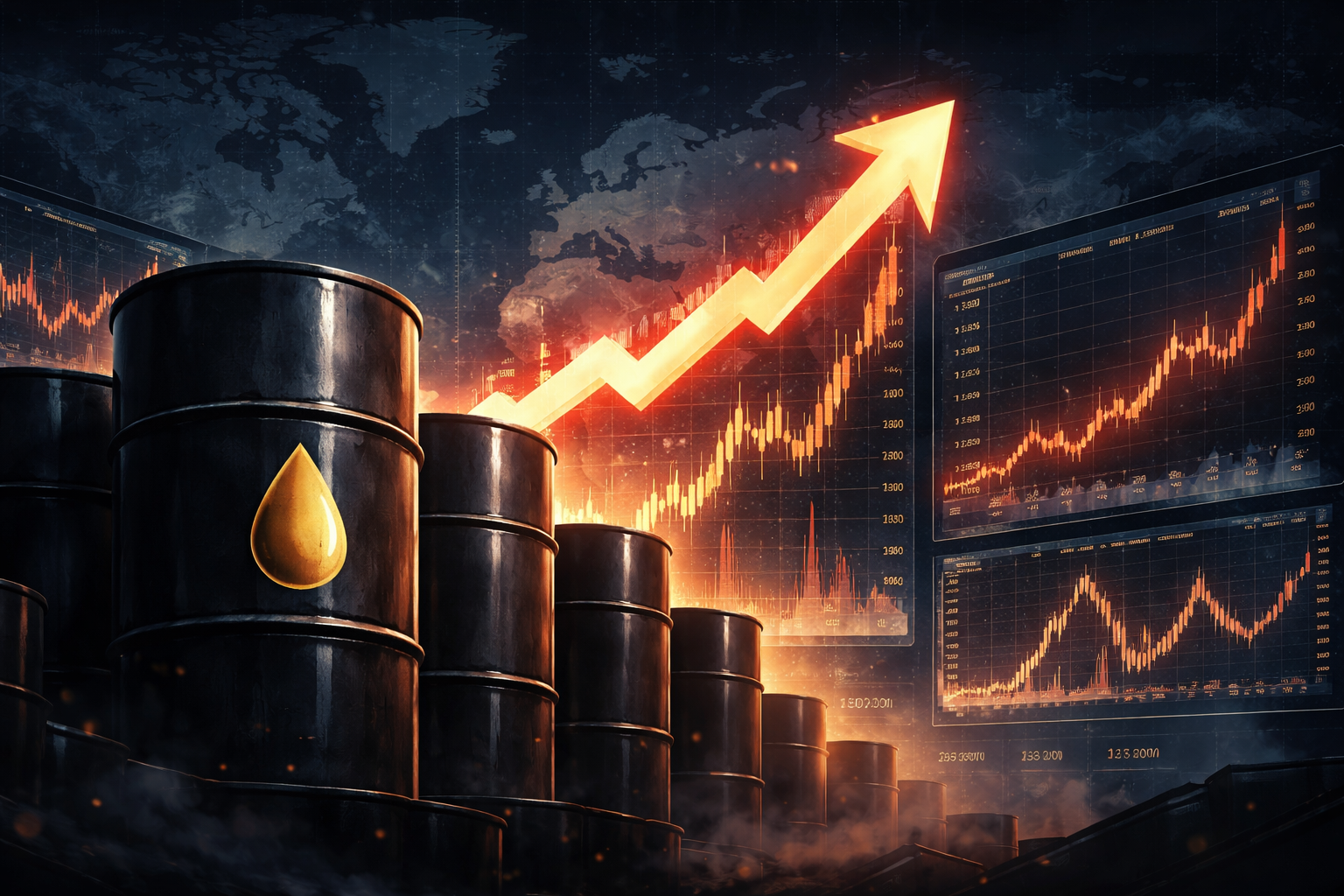
Movements in the dollar, crude oil, and commodities directly impact equities. These linkages increase daily market volatility.
4. Corporate Earnings Surprises
Earnings that miss or exceed expectations can move stocks dramatically. Such reactions add to overall market volatility.
5. Algorithmic and High-Speed Trading
Automated trading systems react faster than humans. They magnify short-term price swings and intensify volatility.
6. Retail Emotion and Herd Behaviour
Fear and greed spread quickly during uncertain periods. This emotional trading further fuels market volatility.
How Volatility Affects Retail Investors
For long-term investors, volatility tests patience. For short-term traders, it increases risk.
Understanding volatility helps avoid emotional decisions during sharp market moves.
What Market Volatility Signals Ahead
High volatility usually signals transition. Markets are reassessing expectations about growth, rates, and profits.
To understand broader financial pressure, explore: how interest rates influence market behaviour.
For deeper understanding, refer to authoritative sources:
Market volatility is not a threat by itself. It is a signal that markets are adjusting to new realities.
Disclaimer: This article is for educational purposes only and does not constitute financial or investment advice.